
Waste to Energy, Methane Digesters, and Old Friends

 It never ceases to amaze me how 2Greenenergy’s relatively tiny Internet presence has reconnected me with old friends I haven’t seen in 40 years. Bruce Wilson, whom I met in the sandbox in kindergarten in 1960, reconnected with me fairly recently, based on something I wrote that referred to our old school (William Penn Charter). Fast-forward to 2014: Bruce has 37 years’ experience in renovation, restoration, energy efficient construction and retrofitting, and he specializes in high performance green building and building performance upgrades, as well as deep energy retrofits and lighting improvements.
In a phone call we had this afternoon, we did a bit of reminiscing about the brilliant and inspiring physics teacher we shared: Samuel M. V. Tatnall. I used to ask myself: Holy mackerel — did his parents name him such that his middle initials would stand for mass and velocity? How scary is that?
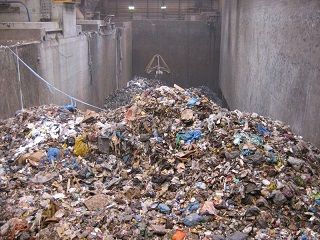
But then the conversation quickly moved on to Bruce’s line of current interest: the next generation of methane digesters. He asks himself an important question, i.e., how do we give the bacteria exactly what they want, in terms of feedstock, temperature, and a calm, hospitable environment? He claims to have a cutting-edge solution, and I don’t doubt him for a second. I ask anyone interested to contact me, and I’ll put you in touch. We all hold a fond hope that we can cost-effectively extract the chemical energy from the waste we produce, whether it comes in the form of MSW (municipal solid waste), the manure from our animals, old tires, or any of the other different major types.
When Bruce and I went from kindergarten into first grade, I remember how impressed I was that he recognized words that I couldn’t. I recall the first day, when he knew “me” and “with,” and then proceeded to shock the whole class by reading a word so long (seven letters!) that it looked like a whole library all stacked on top of itself: “because.”
Bruce had something on the ball when we were six years old; and now, with cutting-edge biomass technology playing an important part in our future, I’m glad that he’s on the case. Keep up the good work, my old friend.


