
A Story About Spying

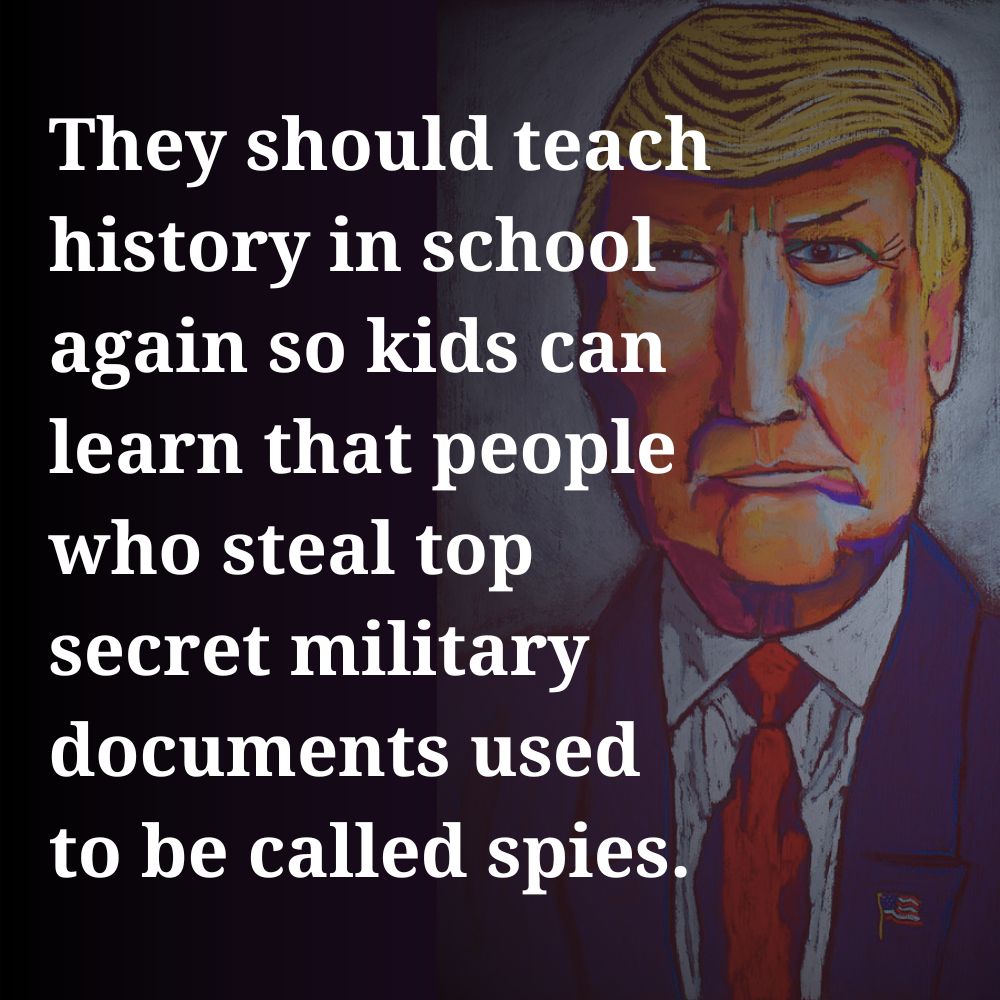 My father was a B-17 bomber pilot in the European theater of WW2, who, by 1944, had flown with his 10-man crew, 29 successful missions destroying Nazi crude oil refineries. They were shot down on November 25 of that year, on the return trip from what would have been their 30th. Still over Germany, about 10 miles short of the French border and having lost three of their four engines, they had run out of luck.
Dad and his men had no option but to bail out, parachute to the ground, and hope for the best. They did, however, have a decision to make, and an important one at that. They had the choice to remain in uniform, making them a cinch to identify (and capture) as allied troops. Alternatively, they could change into civilian clothes, making it far easier for them to make their way on foot into neighboring France without being noticed by the enemy.
There was a considerable risk, however. Choosing to remain in uniform prohibited the Germans, under international law, from gunning them down on sight; if captured, they would be made POWs, treated humanely, and released unharmed at the end of the war. On the other hand, changing clothes enabled the Germans to treat them as spies and execute them by firing squad.
This tale is only partially a tribute to my father. It’s more an illustration of how common Americans who become soldiers in wartime face momentous decisions that former presidents do not. If you’re lucky enough to be Donald Trump, it appears that you can conduct yourself with immunity, and thus spying, in his case, leaking top secret military documents, doesn’t even lead to criminal prosecution, let alone an array of bullets through your heart.


