Instead of getting upset, maybe someone should simply look up the word “entitlement.” It means something to which someone is entitled, because it belongs to them.
If you deposit $100 dollars into a bank account, you’re entitled to withdraw it at any time. In the United States, you’re entitled to retire whenever you want.
As my father used to say, you’re entitled to pronounce your name any way you want. Why? Because it’s your name; it belongs to you.
Let’s not get too carried away here. Essentially nothing has changed, even with the recent news.
Many rich people, especially those heavily invested in Big Oil, are making money beyond their wildest dreams. They don’t care that the consumption of fossil fuels is destroying the planet, and why should they? They’re going to be dead before the collapse of the environment affects them, and the Ebeneezer Scrooges of the world couldn’t possibly care about anyone but themselves.
Most poorly educated working class white Americans are thrilled that Donald Trump is taking over the world’s resources, installing himself as our county’s first dictator, and kicking ass on people of color, women, LGBTQs, immigrants, and other desperately poor people. They may be vaguely aware that they themselves will not profit one thin dime by this, but that doesn’t matter one iota, since Trump is punishing the people they hate.
The idea that Trump is a war criminal means exactly nothing.
Fortunately for this planet, most people in the rest of the developed world despise Trump and may be likely to forgive the United States once this moral catastrophe is over.
Predictably, DHS Secretary Kristi Noem had a meltdown, demanding to know why Hilton is siding with murderers and rapists, which apparently, Hilton has not dignified with a response.
True Americans resent the use of military personnel against our citizens and violating our rights to due process.
One of the most important externalities of the consumption of fossil fuels is the cost of war. By that, we mean a combination of the hard costs of operating (by far) the world’s largest military, but also the horrific loss of life.
There have been many attempts to inform our society that consumerism is a choice, but so is a more minimalist lifestyle. “The Story of Stuff,” founded by environmentalist Annie Leonard, is perhaps the best example.
I once met Annie at a conference and told her that I write about her organization. I can’t describe the smile I got in return.
We’re all familiar with the refrain: “Reduce, Reuse, and Recycle.” There is a reason the “reduce” comes first, and that is that if we use less to begin with, we won’t have to spend resources to reuse and recycle.
Heads of states have nearly complete power over their country’s citizens, which means that an unscrupulous leader can be extremely difficult to expel.
A couple of hundred years ago, an armed uprising may have been possible, but certainly not in modern America, where the U.S. president controls 1.3 million law enforcement personnel and a military whose annual budget is approaching $1 trillion.
There are ways that Trump can be removed: a military coup, or the 25th Amendment/impeachment. Note that both of these mechanisms are out of the hands of the individual citizen. We have to hope that our leaders do the right thing.
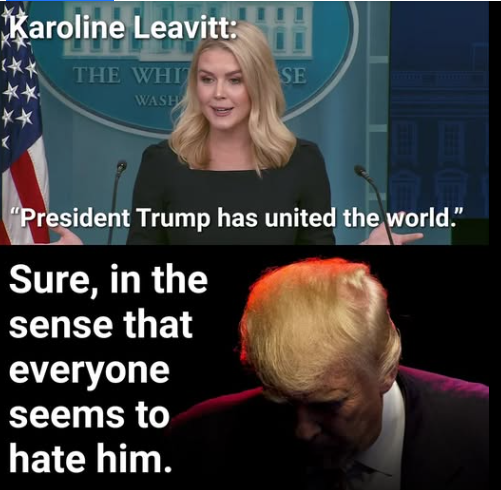
Here’s a good reminder of how the United States is regarded today.
No, it’s not like it was just a few years ago when we were a land of laws, and we had allies all around the world that admired our democracy.
Now, the leaders of Canada, Panama, and Greenland all fear for their safety, and the world lives in fear of the insanity into which the U.S. has descended.


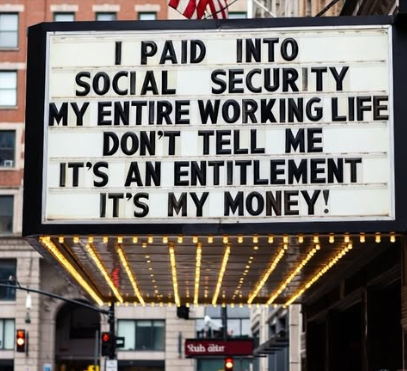 Instead of getting upset, maybe someone should simply look up the word “entitlement.” It means something to which someone is entitled, because it belongs to them.
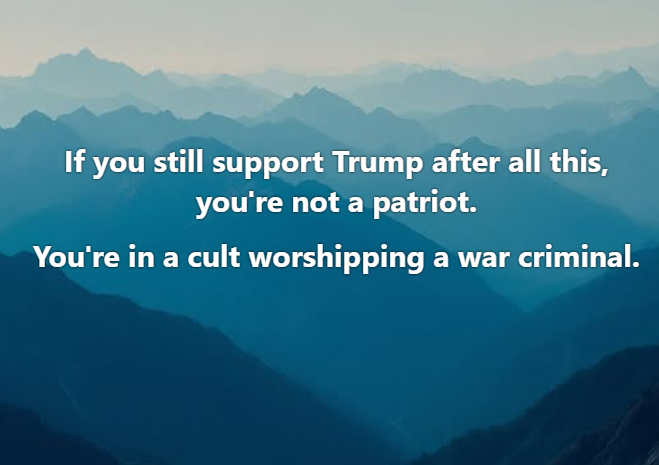 Let’s not get too carried away here. Essentially nothing has changed, even with the recent news.
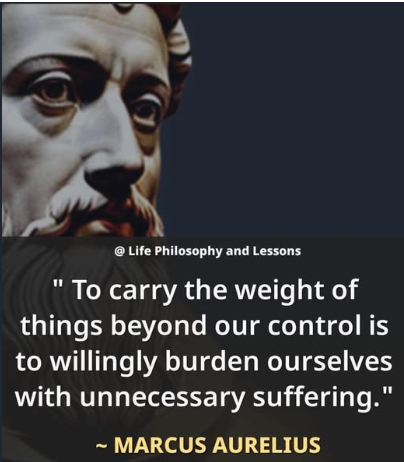 As always, the Stoics have nailed it.
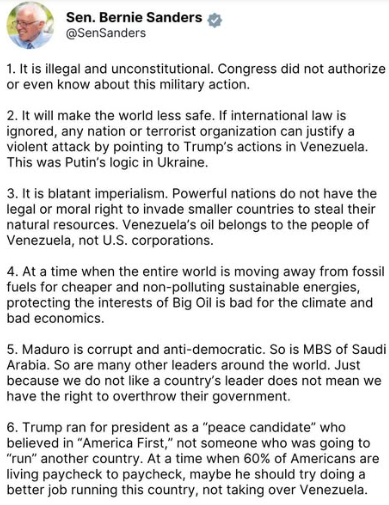 At left is what Bernie Sanders says about Trump’s illegal invasion of Venezuela.
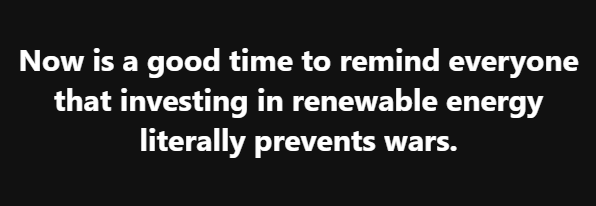 One of the most important externalities of the consumption of fossil fuels is the cost of war. By that, we mean a combination of the hard costs of operating (by far) the world’s largest military, but also the horrific loss of life.
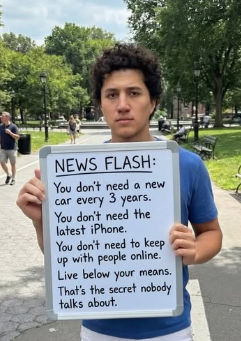 There have been many attempts to inform our society that consumerism is a choice, but so is a more minimalist lifestyle. “
 What is most amazing about this entire deal with Trump is that there seems to be no limit to the pure idiocy of what his base will accept as fact.
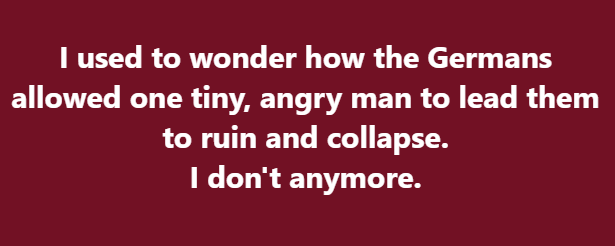 Heads of states have nearly complete power over their country’s citizens, which means that an unscrupulous leader can be extremely difficult to expel.
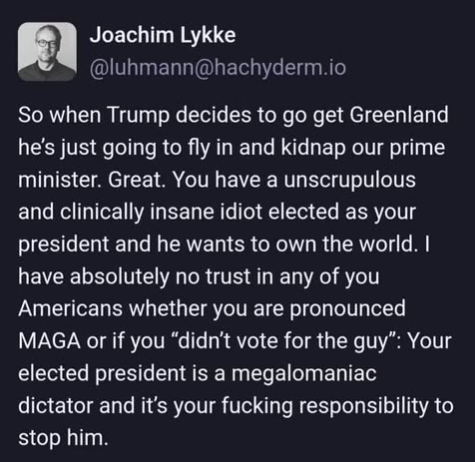 Here’s a good reminder of how the United States is regarded today.


