There are many benefits that come along with planting trees on your property. Trees can help the environment and provide your home with some surprising advantages. Here are four great reasons why you should plant trees on your property. (more…)
Cleaning up the planet is, to say the least, a global concern. While Americans may suffer from factories that pollute the immediate environment or local water supplies, the oceans and the ozone layer affect us all. Therefore, it’s not enough for one country to institute green policies, we all have to pitch in together and make it a global concern. here are three international innovations that are helping to clean up the environment we all have to share and helping to build good international relations in the process. (more…)
With the temperatures dropping down closer to zero it is time to be mindful about winter heating bills. Costs for heating up the house slowly go up as the demand for electricity and heating increases due to colder temperatures and shorter daylight. Even with this being the case, is there a way to make these costs lower in the long run? (more…)
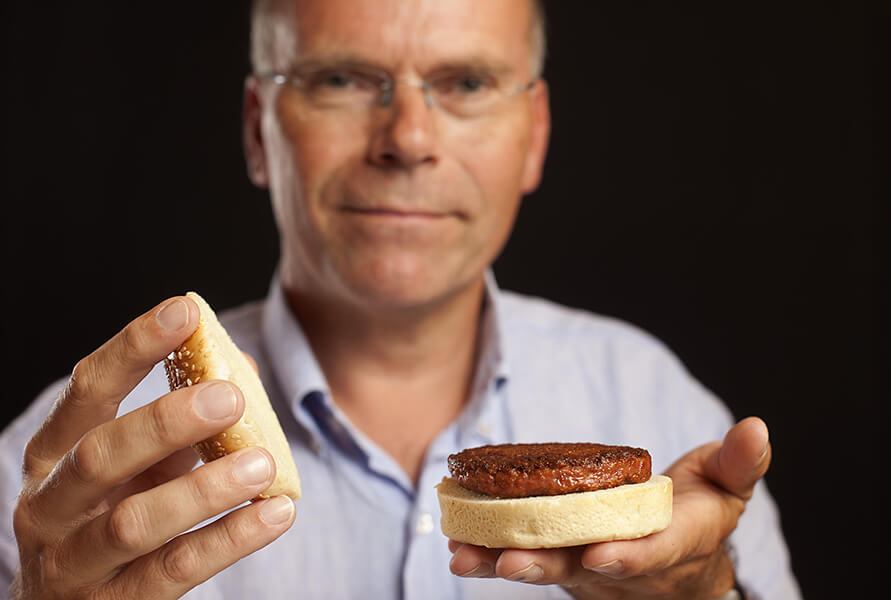
EDITORIAL USE ONLY. A burger made from Cultured Beef, which has been developed by Professor Mark Post of Maastricht University in the Netherlands. PRESS ASSOCIATION Photo. Issue date: Monday August 5, 2013. Cultured Beef could help solve the coming food crisis and combat climate change. Commercial production of Cultured Beef could begin within ten to 20 years. Photo credit should read: David Parry/PA
I can’t disagree with your balancing the good with dystopian probabilities. Regarding global warming, your predictions are likely spot-on. But I wonder whether there may be some silver linings. For example, might we find that Greenland has arable land that can feed the world? Will Russia gain the warm-water ports for which they have murdered millions in wars? Will Antarctica become the world’s largest planned community/state? Will the Falkland islands become a resort land that replaces the tropical islands of the Caribbean?(more…)
Most of this stuff is bound to happen if we can keep our civilization from derailment from one cause or another. But therein lies the rub: nothing in these predictions is even remotely dystopian, and how likely does it appear that our society can remain on an even keel, given what we’re experiencing in the world today? (more…)
Like so many young people in America, I was introduced to an important academic discipline in college purely by accident. In my particular case, the year was 1975, the subject was philosophy, and the accident was the person of one Peggy Fredrickson, who happened to be taking a course in logic. I regarded Peggy as cute, which caused me to sign up for the course as well. (more…)
According to several predictions, there will be a rise in the consumption of global energy by almost 48 percent by the year of 2040. Renewable energy now contributes to almost 19.1% of the total consumption of energy around the globe. There will be a rise in that figure. (more…)
About 20 years ago I had a client in Copenhagen who, one night after work, invited me to dinner at his lovely suburban home. When we walked in, my friend introduced me to his charming wife and two little daughters, perhaps five and seven years old. Naturally, the kids were a bit afraid of this stranger; periodically throughout the cocktail hour, they’d surreptitiously point to me, whisper something to one another, and titter with nervous excitement. (more…)
Question: In 1992, 1,700 independent scientists signed the “World Scientists’ Warning to Humanity.” The letter warned that “human beings and the natural world are on a collision course” and if environmental damage was not stopped, our future was at risk. Yesterday, that warning was repeated and clarified by how many scientists, representing how many countries? (more…)


 There are many benefits that come along with planting trees on your property. Trees can help the environment and provide your home with some surprising advantages. Here are four great reasons why you should plant trees on your property. (more…)
 Cleaning up the planet is, to say the least, a global concern. While Americans may suffer from factories that pollute the immediate environment or local water supplies, the oceans and the ozone layer affect us all. Therefore, it’s not enough for one country to institute green policies, we all have to pitch in together and make it a global concern. here are three international innovations that are helping to clean up the environment we all have to share and helping to build good international relations in the process.
 With the temperatures dropping down closer to zero it is time to be mindful about winter heating bills. Costs for heating up the house slowly go up as the demand for electricity and heating increases due to colder temperatures and shorter daylight. Even with this being the case, is there a way to make these costs lower in the long run?
 A friend sent me this wonderful piece in which
  Like so many young people in America, I was introduced to an important academic discipline in college purely by accident. In my particular case, the year was 1975, the subject was philosophy, and the accident was the person of one Peggy Fredrickson, who happened to be taking a course in logic. I regarded Peggy as cute, which caused me to sign up for the course as well.
 According to several predictions, there will be a rise in the consumption of global energy by almost 48 percent by the year of 2040. Renewable energy now contributes to almost 19.1% of the total consumption of energy around the globe. There will be a rise in that figure.
  About 20 years ago I had a client in Copenhagen who, one night after work, invited me to dinner at his lovely suburban home. When we walked in, my friend introduced me to his charming wife and two little daughters, perhaps five and seven years old. Naturally, the kids were a bit afraid of this stranger; periodically throughout the cocktail hour, they’d surreptitiously point to me, whisper something to one another, and titter with nervous excitement.
 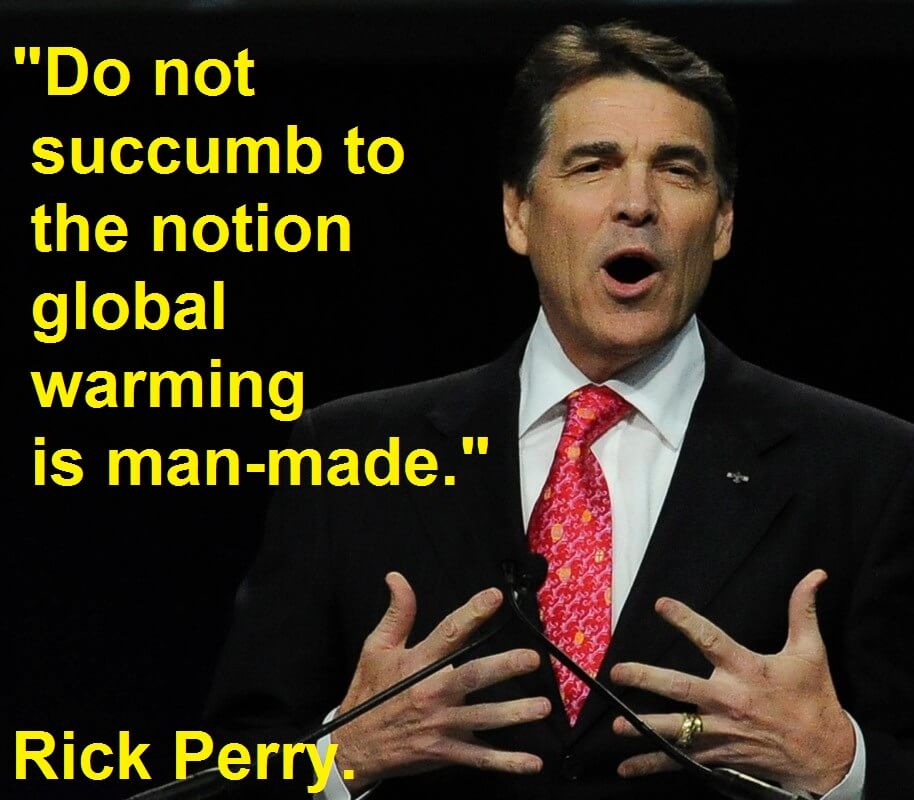 Frequent commenter MarcoPolo offers this response to my recent post on the
  Question: In 1992, 1,700 independent scientists signed the


