
On a Carbon Tax

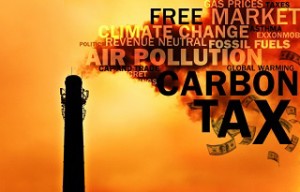 One of my pro-nuke people writes: Clean power, like nuclear, is a “public good”, just like sanitation, clean water, etc. — except in MI, we don’t defile a public good because of short-term economics. If we were seriously concerned with our descendants’ environment, we’d be taxing C at ~$150/ton and paying nukes credits. A whole new world based on reality.
I definitely agree that government needs to move its subsidies from social evils to social goods. I can’t believe I just typed so obvious an assertion. It makes me angry; are we the only people who get this? (more…)
 Good times. We just got word that 2GreenEnergy successfully arranged a bridge loan for a client, and, even though it was small ($245K), we have a penchant for celebrating the living bejesus out of any victory, regardless of its size.
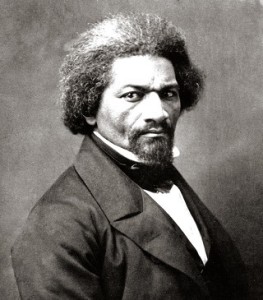 All of us Americans who use Google (pretty much everyone) know that today is the birthday of Frederick Douglass, one of the most influential forces for social reform in U.S. history. He’s probably best known today for his summary of how social change actually takes place:
 Here’s an article that points to exactly where we’re going as a civilization, or at least, where we need to go. The author’s “
 We often forget that CO2 isn’t the only greenhouse gas, and that fossil fuel consumption is not the only contributor to global warming. In fact, even if we’re completely successful in making the migration to renewable energy, we still have serious issues associated with the raising of cows and other ruminants, animals that have contributed 14% of the total GHGs to our atmosphere since
  In this week’s edition of “
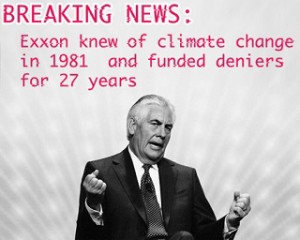 Yesterday I made a flippant and slapdash remark to a reader who questions the role of government support for renewable energy, where he was commenting on my piece about “
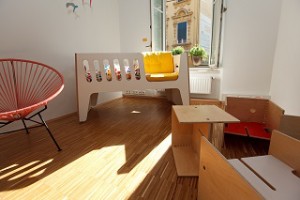 They say the future of our planet becomes relevant when we choose to invest in the next generation. In theory, decorating a home is easy. The right furniture and a perfect color blend should be enough to satisfy our need for a pretty space. However, when you’re decorating a space for your child, you’re forced to think about more than just design. Safety should also be a priority. When decorating their room, find a way to merge beautiful furniture with practical elements. Create a greener environment that’s appealing and comfortable, but also practical and safe. Here are some guidelines to help you out.
 As I wrote yesterday, Obama is not checking out of here without making some extremely important reforms before he goes, and he seems to be picking up the pace as the time for his departure from office nears.


