
We All Make a Far Greater Difference Than We Can Possibly Know

 It’s heartening to look through the comments to my recent post: “The Environmental Movement: Too Conciliatory?” — insofar as many point out the role of the individual in determining the course of history. We have FAR greater capacity to change the world than we realize. That’s one of the top themes of the whole 2GreenEnergy enterprise, perhaps best epitomized by the famous quote from cultural anthropologist Margaret Mead: Never doubt that a small group of thoughtful, committed citizens can change the world; indeed, it’s the only thing that ever has. (more…)
 It’s the birthday of Charles Darwin, whose discovery of biological evolution ranks in the top couple of moments in human history when a longstanding paradigm was turned on its head.
 A reader asked me to comment on this
 I had the misfortune of attending a lecture at the University of California at Santa Barbara yesterday, in response I wrote this to the director of the

 Plumbing isn’t something a lot of homeowners like to think about that often. The only time they tend to worry about it is when a serious malfunction requires hiring a plumber. However, your plumbing can affect a lot more than your ability to use water in your home. It can also affect your overall energy bills. Below are four ways your plumbing can
 A reader comments on my post “

 People like to think of renewable energy as something new that needs to fight for its place in human society. That is nonsense. One of the oldest examples of implementing renewable energy can be traced all the way back to 200 BC when we could already find windmills pumping water in Ancient China. So, if there is anything new and intrusive here, that would be the fossil fuel.
 Those of us who watch an occasional “Nova” broadcast on PBS understand that beavers have a salubrious effect on any environment they inhabit. One of the many reasons this is true is that the
 When I noticed this can of “Barbisol” in my son’s bathrom, I felt compelled to write the post pictured here for the 2GreenEnergy Instagram feed.
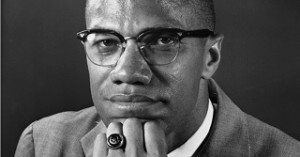 One of the more radical civil rights leaders of the 1960s was not at all happy with the progress that African Americans were making at the time, with their sit-ins to force “white people only” diners to allow blacks to enter as well. In an impassioned speech he fairly screamed, “I do not consider an integrated cup of coffee adequate compensation for the 350 years during which whites enslaved blacks and used our people’s labor, under the lash, to build the wealthiest nation in the history of mankind.”


