
More Nuclear Energy?

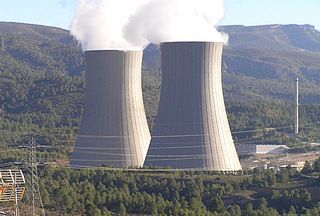 A reader asked me to comment on this:
“As the US moves toward a more sustainable energy future, simply maintaining nuclear energy at 20 percent of US electricity supply will require the construction of 20 to 25 new nuclear power plants by 2030. Additionally, modeling of climate change policy scenarios consistently shows that a failure to deploy sufficient nuclear power generation capacity will lead to an over-reliance on natural gas, the result of which will likely be reduced competitiveness for US manufacturers and higher energy costs for all Americans.”
I think it’s not going to happen. Nuclear is too expensive, the level of public rancor re: nuclear safety and the disposal of waste is too great, and the public understanding of and concern about climate change is too low.
Note also that this quote is confusing and self-contradictory. Read the second sentence carefully. Concerns re: climate change cause over-reliance on gas, and that causes reduced competitiveness and higher energy costs? So you want to build nuclear plants? That doesn’t make sense.
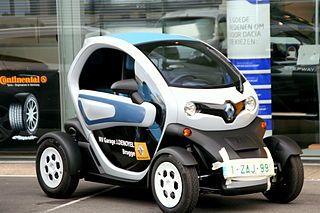 It looks like Europe continues to embrace electric transportation. According to my colleague Fritz Maffry, the
 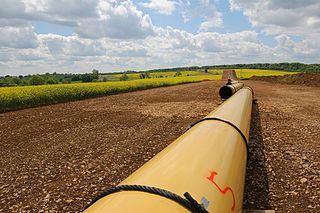 Most of us who pay attention to the key environmental issues of the day have some opinion on the legitimacy of the Keystone XL pipeline. At the risk of oversimplifying:
 Frequent commenter and 2GreenEnergy supporter Tim Kingston sent me this for comment: an
  I normally don’t bet against my own longevity, but it seems extremely unlikely that I’ll still be on this planet when the case against Chevron in Ecuador is finalized and the damages are paid. Here’s an
  Ontario, Canada is well known as a leader in the adoption of clean energy technology. Their fabled feed-in-tariffs have provided incentive for developers all over the globe to site renewable energy projects in the province. And certainly their adoption of smart grid is the envy of the Western Hemisphere, starting with the 7.4 million smart meters, encouraging consumers and businesses to conserve and shift their electricity use to off-peak periods. Now,
  From coast to coast, the cost of heating and cooling homes and providing energy to keep everything from computers to lights to hot water heaters up and running is rising. Meanwhile, we continue to burn fuels such as coal and oil that might be harmful to the environment and, somewhere down the line, may no longer be available.
 Becoming an engineer is one of the best ways to ensure you will actually make a difference when it comes to solving the problems facing future generations. If the population continues to grow at the current rate, there could be 20 billion more people on earth by the end of the century. (But that won’t happen; the Earth’s population will crest mid-century at 9 – 10 billion. – ed.) Where to house these extra billions of people and how they will move about is the realm of engineers and one of the most important building materials will be metals.
  Occasionally I hear that the Chinese government is very concerned about keeping its huge population content – or at least sufficiently calm that the people don’t riot in the streets. I don’t really understand this, as the government hasn’t been particularly afraid of rounding up protesters and putting bullets through their heads.
 Here’s


