
McDonald’s Is Deploying Lots of Photovoltaics, But….

 Apparently, McDonald’s is deploying a ton of solar PV in the form of canopies to protect their customers’ cars. That’s good. But I’m less sanguine on ridiculous statements from company spokespersons like: “We continuously commit to reducing the environmental impact of our restaurants as much as possible….”
McDonald’s itself is an unmitigated disaster for the health of the environment, not to mention for the seven billion people who live in it. We’re talking about a combination of:
1) deforestation to create cattle yards,
2) dependence on unsustainable farming methods, and
3) products that cause childhood obesity and diabetes.
Three strikes and you’re out.
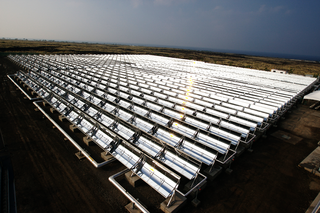 You have to admire the bravado of an author who would give such a title to an article:
  Here’s an
 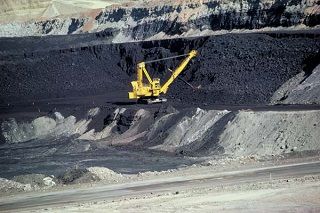 In this
 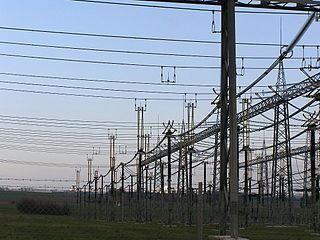 As noted in this article from

 Most environmentally-oriented people know that the waste carbon dioxide and other greenhouse gases produced by combustion are the major factor heating up our planet’s atmosphere. A significant proportion of those emissions come from power stations burning coal or natural gas. It has been proposed that all new power stations and older ones where feasible should be fitted with Carbon Capture and Storage (CCS) systems, where waste carbon is scrubbed from the exhaust and pumped somewhere to be stored, possibly under the North Sea in old oil fields.
 Here’s an


