
Investing To Make a Difference

 Tomorrow I have a phone call scheduled to talk about this fabulous investment portal: “Maximpact.com.” I’m hoping they’ve been successful here; it certainly strikes me as a good idea, and it appears to be the perfect confluence of two hot topics: crowdfunding and impact investing. (more…)




 I want to thank everyone who commented on our new
  From financial savings to setting a good example for our children, battling health issues and better lifestyles green living has never been so popular. The need for consumers to plant their footprint into an improved and sustainable future has turned into a growing trend, with advancements in technology closely behind what we call, the green movement.
 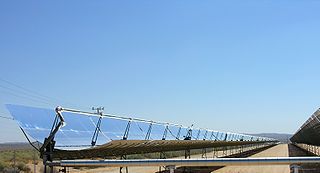 Electricity, an invisible and boundless power at our fingertips that makes all sorts of things possible from a small socket in the wall. We all hate it when the power goes out. It’s annoying to have to revert to the Stone Age, to rummage for candles and torches, and to miss whatever is on TV that night. That ‘power’, has been generated by burning up materials of that we only have a finite amount.