
Cost of Climate Change Has Hidden Line-Items

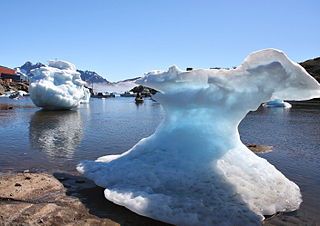
While readers may have found our recent discussion of the cost of climate change to be interesting, I hope no one believes that humankind has its wits fully wrapped around this. Here’s an article that points out a cost item I’ve never seen mentioned elsewhere: violence.
Of course, the author, Tim Radford, from the Climate News Network, is completely correct. What else could possibly result from scarcer resources and a general diminution of comfort? Radford uses historic data to make his point, but it seems fairly obvious.
Concepts like the one surfaced here should remind all of us of how little we know about the future, and how scary the prospect of the eco-collapse we’re so cavalierly engineering for ourselves actually is.
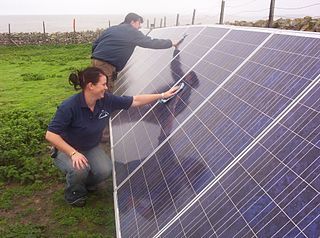 Now here’s a guy with the right idea: a concentrated effort, performed on an international scale, to
  From the 2GreenEnergy Facebook page
 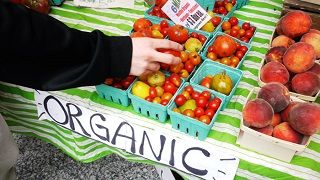 Have you ever wondered how the vegetables at your local grocery store always look picture-perfect, even if the given vegetable is out of season? Well, most commercially grown vegetables are the subject of instance chemical treatment as well as genetic modification to make them grow faster and be more resistant to pest attacks. All this is well and good for the manufacturers and distributors of said vegetables, but the non-organic residues left behind after consumption can pose a great threat to your health and the ramifications of this can be staggering.
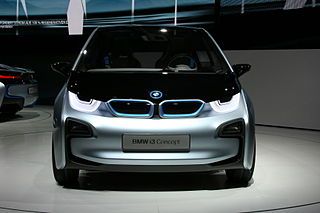
 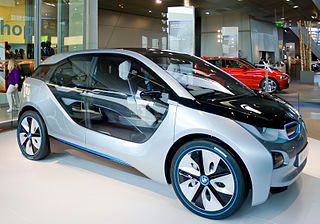 I love virtually everything about BMW’s i3 battery-electric vehicle – except that it won’t be available for another year. I hate to say it, but I’m mildly resentful of the fanfare that the company is generating, 12 full months in advance of the car itself.
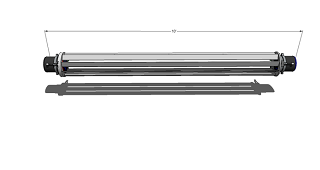 Frequent commenter Tim Kingston came across this
 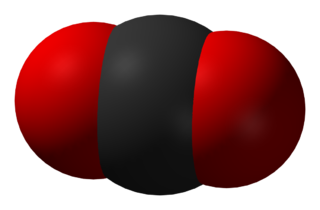 A reader asks:
 Today, back to back, I experienced two different sides to an important argument that I hope readers will find interesting. I had a meeting this morning with
 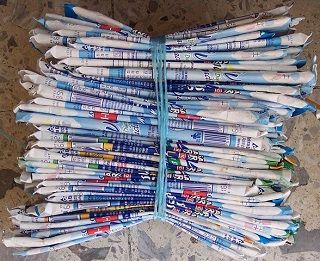 Almost everyone knows that you can recycle aluminum cans and glass bottles, but did you know that you can recycle cars, ink cartridges, and telephones? Here are 10 things you didn’t know you could recycle.
 Here’s an


