
From Guest Blogger SolarLighting: Can We Copy the solar success of NJ to the Other States of the US?

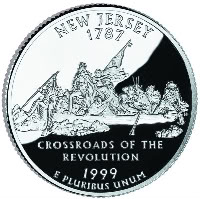
 We are very glad to see that the solar industry is developing fast in the US. It is now a major economic driver for the country. When generating great amount of electricity, the solar industry is also creating many job opportunities for the US. As for this solar industry I mean PV, because most of equipments use electricity rather than thermal energy, so you will see solar street light rather than solar Thermal Street light. All states are trying to improve their local solar deployment. It is obvious that the California is leading the solar development of the country, accounting for about 50% of the PV install in the country.

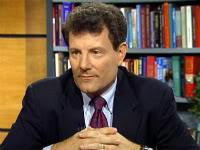
 I was listening to an interview with Pulitzer-winning columnist
 I’m one of those people who constantly tries to see into the future – not that I have any eerie talent for things like that. The future of energy and transportation, for example, is clear as a bell. Does anyone think we’re going to be driving Hummers in 40 years? Could a reasonable person believe there’ll be plenty of cheap oil in 2050 when the world population has increased 22% from today and the number of cars on the world’s roads has doubled?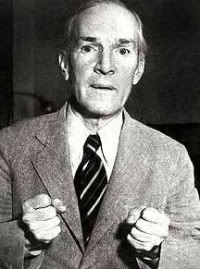

 My post on
 In the news on the electric vehicle front is Terry McAuliffe, prolific political campaign fund-raiser and close friend of Bill Clinton. On Tuesday, McAuliffe will announce to world leaders at the Clinton Global Initiative a commitment to invest $1 billion to build neighborhood electric vehicles in economically depressed areas of the United States to spur the economy and create green jobs.
 Here’s a question for you now that mid-term elections are here. Do you have what it takes for a career as a political speechwriter? Here’s a one-question quiz that will help you find an answer. Suppose I were running for Congress. Which campaign platform would you recommend for me? You can tell voters that I will fight to: