
Liquid Ammonia as Alternative Auto Fuel

 Frank Eggers writes in:
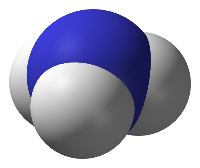
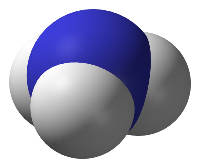
EVs may well be the vehicle technology of the future, but it is too soon to know for sure. It may be that artificially produced fuels, such as ammonia, will become practical to replace petroleum-based fuels and internal combustion engines designed to run on those fuels will predominate.
Frank: Thanks for this. Please tell us all more about liquid ammonia as fuel. Matt Simmons of Peak Oil fame, with whom I’ve spoken a few times, really loves ammonia. But I have trouble understanding the attraction. OK, it’s another liquid, and the building out a new delivery infrastructure won’t be as arduous as it would be for hydrogen.
But do we really need it? Aren’t we fairly close to batteries that get the job done?
I don’t see big money betting on it — or even discussing the idea. What am I missing?
 In response to my piece about the EV adoption curve in New York City, Josh Levin writes:
 Occasionally I like to write a short piece that offers my viewpoints on political philosophy as it applies to sustainability, examining the nature of our moral obligations to our fellow human beings. To what degree do our ethical sensibilities call upon us to behave in ways that respect the welfare of other people – both those currently inhabiting the Earth, and those as yet unborn?
 In response to my complaint about Deloitte’s recent market research study on electric vehicles in which it was clear (to me at least) that they had surveyed irrelevant people as thus missed the mark with their conclusions, a gentleman named Gus wrote:
 The other day,
 Thanks for your comments on my pieces on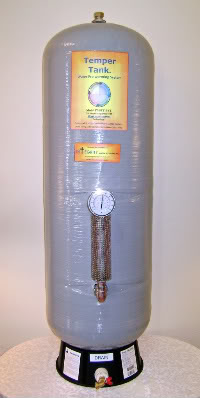
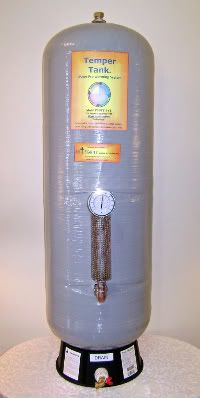 Are you familiar with the concept of a temper tank? During the winter in most parts of the US, hot water heaters take water out of the ice-cold pipes and heat it approximately degrees 50 F – in the summer maybe 30 degrees. Now, image an indoor holding tank, which preheats the water to room temperature before it enters the heater, greatly reducing the amount of energy required by the heater. In the summer, this preheating occurs completely free of charge. In the winter, some of this heating process is performed with the energy you use to heat your house – but keep in mind that home heating systems are generally far more efficient than hot water heaters. The net is a considerable savings in overall energy use.


