
Is Solar PV Replacing Farmland?

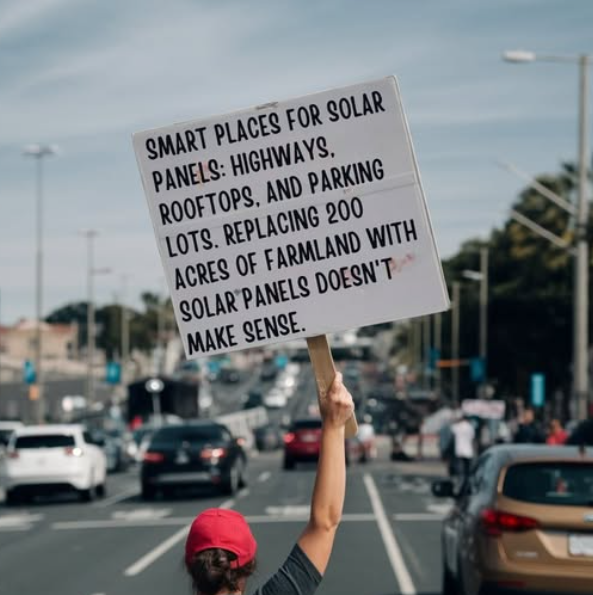 It pains me to think that I live among Americans who are this stupid. This country has 880 million acres of farmland, and 34,000 acres of solar PV. That’s a ratio of 26K:1.
In addition, farmland doesn’t need to be “replaced.” Here’s an AI piece on agrisolar, also known as agrivoltaics,
….. the practice of combining solar power and agriculture in the same landscape. Solar panels can be placed between crops, above them, or on greenhouses. This can provide space for grazing, crops, and native habitats, while also producing energy. Agrisolar can have many benefits, including: water conservation, soil health, crop yield, and pollinator habitat.
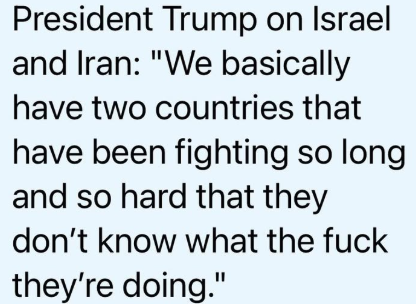 The New Yorker’s Andy Borowitz notes: If this comment doesn’t cinch the Peace Prize for him the Nobels are rigged.
 In this day of utter confusion and the mincing of words, it’s good that we have a person in the U.S. Congress like Jasmine Crockett. The harsh reality is that it was a terrible idea to elect a criminal thug to lead the most powerful country on the planet, and she is perfectly willing to put this in plain language.
 Points to be made here include:
 If you can recognize the photo here, you’re at least 65 years old, probably 70+. It’s a small generator that converted some of the kinetic energy from your moving bicycle’s tires into the electrical energy required to power your headlight.
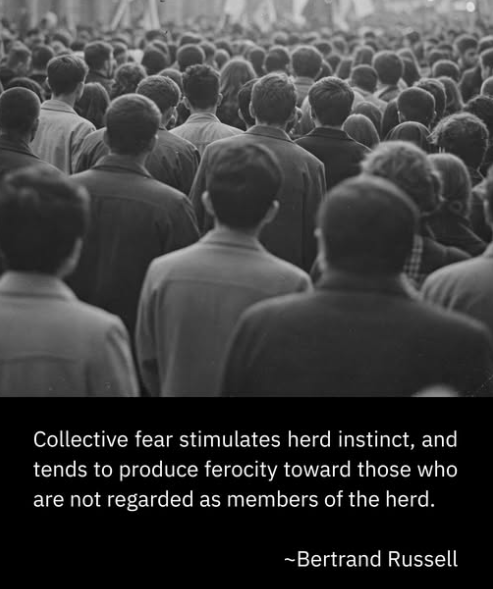 What makes the evil presence of Donald Trump so horrific in our lives is his amazing capacity to harness the “herd instinct” that Bertrand Russell identified.
 Re: the reader’s comment here on The Grapes of Wrath, there is no doubt that the book challenges the basic tenets of capitalism, and it does so in what is perhaps the most forceful piece ever written in the English language.
 The claim here, i.e., that the MAGA folks “believe in nothing” is incorrect, if only because of the trust they place in the infallibility of Donald Trump.
 Yesterday I had the pleasure of meeting a woman from Ireland who had come here for a wedding.
 This theme, that education is indoctrination and is actually harmful to our personhood, is extremely popular now, but largely among our nation’s uneducated people. This could be called “sour grapes,” but some (uneducated) people won’t know what this means.


