Isn’t This Damaging to the Republican Party?

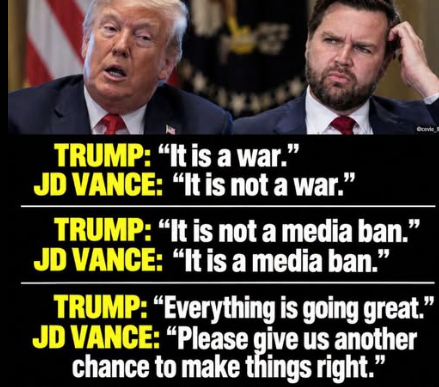 One might think that this level of idiocy and incompetence would detract from the appeal of the GOP, but Trump supporters don’t seem to mind.

One might think that this level of idiocy and incompetence would detract from the appeal of the GOP, but Trump supporters don’t seem to mind.
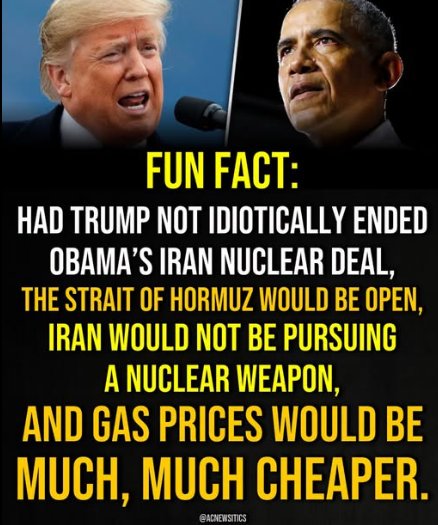 At left we see the cause of Trump’s imminent demise.
We’re OK on the lies and crimes, but we’re not OK on high prices, and though we’re dumb, we’re not dumb enough to believe that prices were higher under Biden.
Btw, people commonly refer to this as “Obama’s deal,” but several other countries were party to it.
 It’s a tragedy that this didn’t happen in 2015 when Trump entered the political scene.
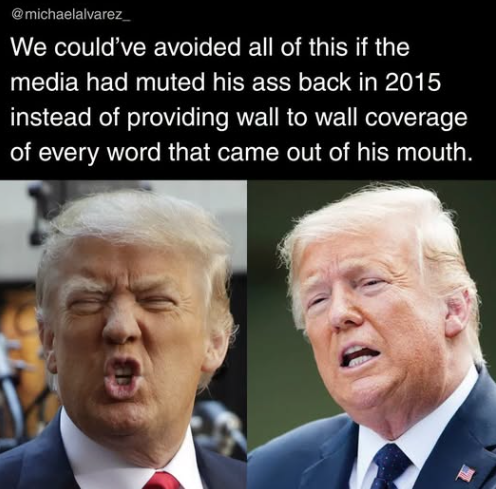 This is exactly correct. As the CEO of one of the major television networks said back in 2015, “Trump is terrible for the nation, but he’s great for us.”
I guess the takeaway is simply this: We’ll do anything for money.
 If you want a steady stream of information about the supposed value that ExxonMobil is bringing to the world, you may want to sign up for this.
These people are playing for keeps, btw. They’re destroying a little piece more of this planet every day, and they understand that completely.
But there is money at stake. Lots of it.
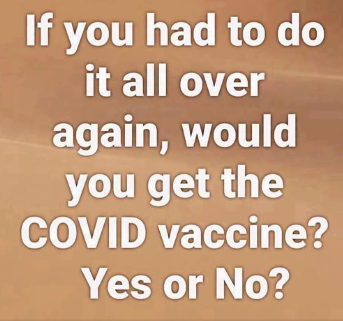 Well, if I had the IQ of a squirrel and believed that Fauci colluded with hundreds of other top scientists around the world to enslave the planet’s population, I would jump right on board.
Doesn’t work for me, though.
Today, however, belief in science and reason makes me a communist.
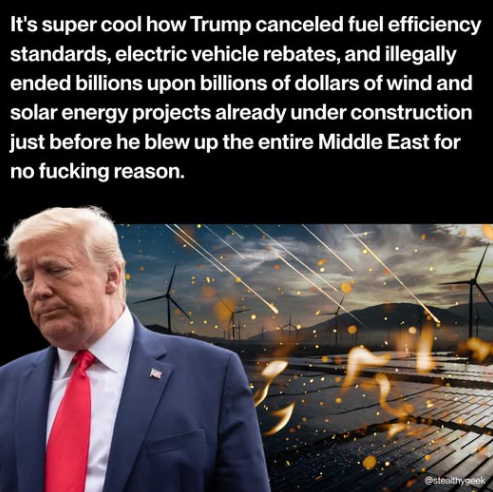 To the reader who sent me this meme:
I wouldn’t say that Trump’s illegal invasion of Iran was done for “no … reason.”
What he did created world chaos and caused most Americans in particular to suffer. The more desperate we become, the more likely we’ll be to accept his repeated claims that “Only I can fix it.”
Chaos also helps to justify a claim of a “national emergency” that Trump could use to cancel the 2026 midterms. If November happens as everyone predicts, this will the end of his political and legal future.
Destroying renewable energy to further enrich his Big Oil megadonors makes Trump that much more powerful.
We’re in a pathetic position.
I’m not one to say, “I told you so,” but since my adolescence, I predicted that big money in government would soon ruin this country.
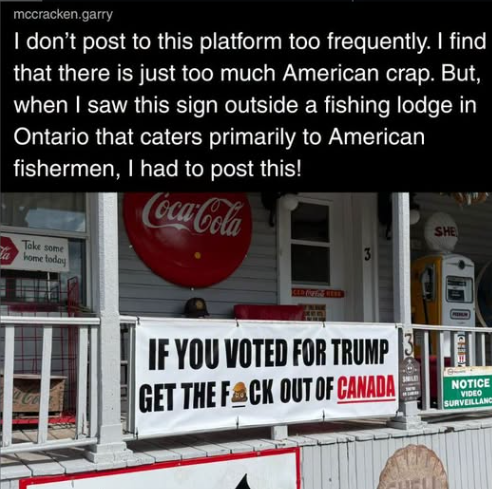 It’s hard to imagine that too many Trump supporters go to Canada for any reason.
Our neighbor to the north, once a close U.S. ally, now hates our guts–a tough feat to achieve indeed, considering the Canadians are such amiable people.
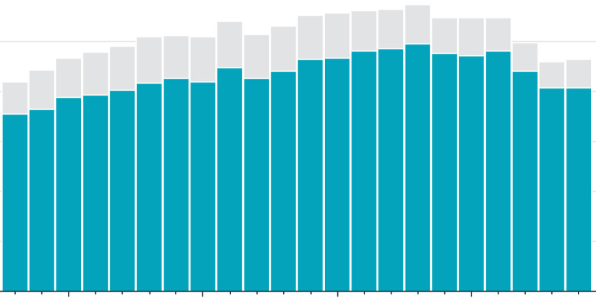 Most 2GreenEnergy readers don’t live in California, and many don’t live in the United States, so they will be excused for not knowing that the Golden State’s wine industry is falling into the crapper. Young people are drinking far less wine than they were a few years ago.
Exactly why this is remains something of a mystery. Are they smoking more pot? Are they drinking more alcoholic sodas? Are they concerned about their health and longevity?
My guess is that they are less turned on by nuance.
They’re not listening to Beethoven; they’re listening to hip-hop. Music doesn’t produce an effect on their spirit; it produces an effect on their genitilia.
They’re not studying Plato; they’re getting their MBAs and going to Wall Street.
They say, “I should have did (something),” and when I want to correct their grammar gently, they want to slap me across the face.
These are different times, and they are not better times.
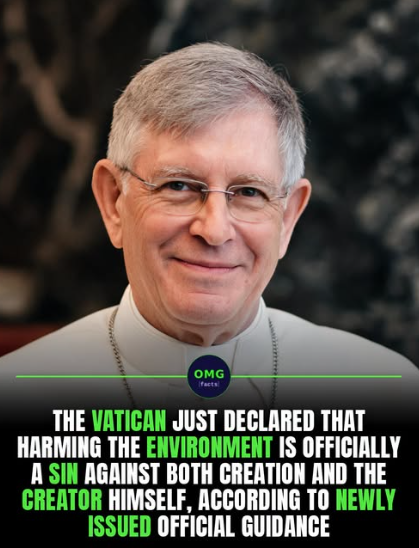 The civilized world is thrilled to see the Catholic church take on the mantle of environmentalism, especially since the religious right still quotes from the Book of Genesis: Only God can destroy the Earth to justify climate denialism.


