
Science and Religion — A Common Ground?

 Yes, in that they are both the results of the human need to make sense of the world around us and to unravel life’s great mysteries.
But that’s where the similarity ends; religion is based on beliefs for which there is no empirical evidence, where science is based entirely on such evidence.
I’m reminded of what I advised one of my nephews when he was writing a paper in college on “faith and reason”: You can’t have your metaphysical cake and eat it too. Your beliefs are either rooted in evidence, or they’re not.
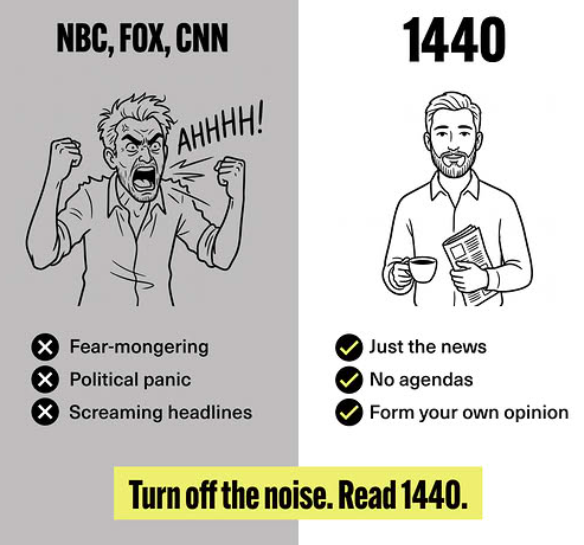 The idea of a calm presentation of the news may have a certain surface-level appeal, and, at most points in history, that may have been completely appropriate.
 When I first saw this, I thought it was a joke, but then I realized that he means this sincerely.
 At left we see illustrated the core problem with the world’s theistic religions, i.e., that adherents are so certain of the rightness of their beliefs that they have no problem destroying the world.
 Sad that it came to this, but not nearly as sad as I would be if he gets away with all this criminality, and the rest of the world writes us off as avid supporters of crime and apathetic to rule of law.
 We read a great deal about people who think that repairing the damage caused by Trump is going to be quick and easy.
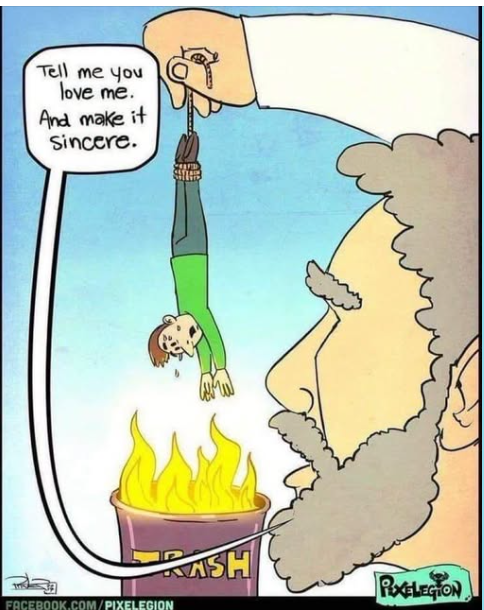 A course called “The Problem of God” a requirement for all incoming freshmen at Georgetown University, or at least it was in the late 1970s when I was a grad student there.
 One can add a few things to the list here, e.g., the U.S. military, educational standards, the application of science in policymaking, and the quest to phase out fossil fuels.
 Michael Fanone, the DC police officer who was severely beaten by the Jan. 6 insurrectionists, calls on all Americans to take a side, preferably the side of democracy, freedom, and rule of law.
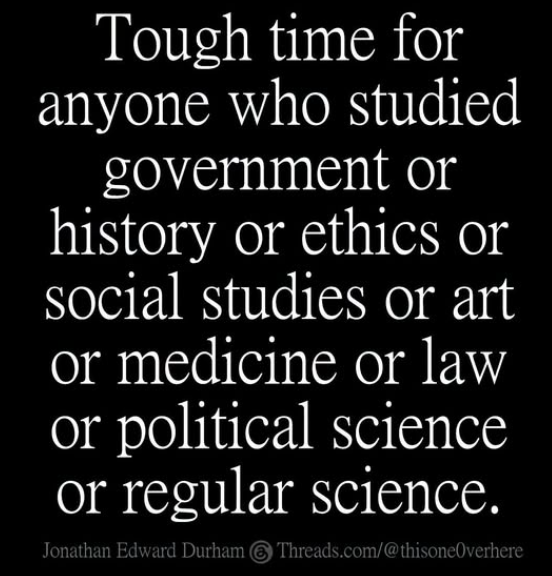 It’s true that those in fear of being called “libtards” by hateful morons are under attack here in the most terrible days of the American republic. But you certainly wouldn’t rather be one of these idiots, would you?


