As a reader commented here: Nothing is more patriotic than required patriotism.
Well said, my friend.
Are we a better nation because we indoctrinate our children into the belief that the United States (under God) is the very best place on Earth? Wouldn’t it be better to let our kids learn about our past, our present, and where we’re headed into the future, and form their own beliefs?
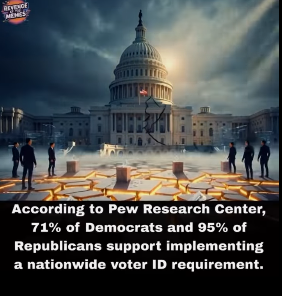
Obviously, this is crap, because it means that virtually no one in the United States has the vaguest understanding of our constitution, which clearly prevents the federal government from taking control of our electoral processes away from the states.
It’s possible that a tiny fraction of Americans want Trump to rewrite the U.S. Constitution so that it serves his own ends.
I wish I could understand why people who think of themselves as honest human beings routinely spread malicious bullshit.
The author of the meme here seems to believe that breakfast is supposed to be “about” something.
As if cereal or fruit or orange juice or waffles or pancakes or oatmeal or hashbrowns or jam and bread or whatever one wants to eat for breakfast is inferior to whatever someone else wants?
OK, so you’re the meat industry trying to get us to want to eat murdered cows and pigs, but seriously.
Every few days Americans receive a new blast of bullshit from our president. A few weeks ago, we were told that Trump was determined to stop the flow of fentanyl into our country from Venezuela, coming in small boats that would have to be refueled 10 – 15 times before they reached the United States.
More recently, we learned that it was time to “move on” from the Epstein files.
American farmers are probably still a strong demographic for Trump, but even some of these folks are regretting their votes, as a) Trump’s economic policies are destroying their enterprises, and b) farmers tend to be “salt of the Earth” folks who disapprove of those who rape little girls.
The point that the fellow at left here is making is almost certainly the reason that the Trump administration is doing everything in its power to a) defund public education, and b) spread propaganda to the effect that education is essentially indoctrination into a “woke” ideology.
Another dagger in the back of education is the move to add things to the high school curriculum like how to balance a checkbook, grow tomatoes, change your car’s oil, etc. This of course means removing academic subjects to make time for teaching kids how to farm one’s own food, change a tire, and so forth.
The subject that normally gets the ax is algebra 2, including things like logarithms and exponents. That means no chemistry (because, for example, the pH scale is logarithmic), which in turn means that within a generation, there will be no more American-born scientists or medical doctors.
The good news for Republicans, of course, is that a nation with no capacity for critical thinking will be going to the polls, electing people with the same level of integrity of Donald Trump.
Most billionaires spend their lives figuring out how to protect their wealth. This one figured out how to get rid of it.
In September 2022, Yvon Chouinard, the founder of Patagonia, did something almost unheard of. He gave away the entire company. Not the profits. Not a percentage. The company itself.
What a story these people have to tell. A few years ago, I was asked to give a talk at a dinner meeting of environmentalists. There was a problem, however. I went on right after some extremely senior guy at Patagonia, who had totally entranced the entire audience with his company’s extremely unusual business philosophy, i.e., that they don’t want you to buy their product. They want to sell you one coat that you will use for the rest of your life.
This guy’s passion of the planet and the reduction in the consumption of resources totally blew the room away.
It was like going on stage immediately after Winston Churchill or playing the piano for a group of people right after Vladimir Horowitz took his bows.
Clearly, some do. There is no other explanation for how someone who won an election could, just a year later, have an approval rating of 37%.
What’s driving Trump’s plummeting popularity? The lawlessness? The fact that he’ll soon be proven to be a child rapist? His apparent senility? It would be interesting to survey a few thousand of these disaffected people and find out.
It would also be interesting to know what the 37% like most about him at this point. One has to think it’s his brutality to people of color. Kicking out people who have lived in this country peacefully for decades, paying their taxes, has an enormous appeal to America’s hateful morons, and needless to say, the amoral rich people couldn’t care less about the human rights of other, less fortunate people.


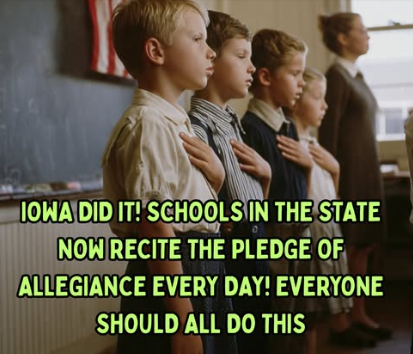 As a reader commented here: Nothing is more patriotic than required patriotism.
 To the reader who sent this to me:
 The author of the meme here seems to believe that breakfast is supposed to be “about” something.
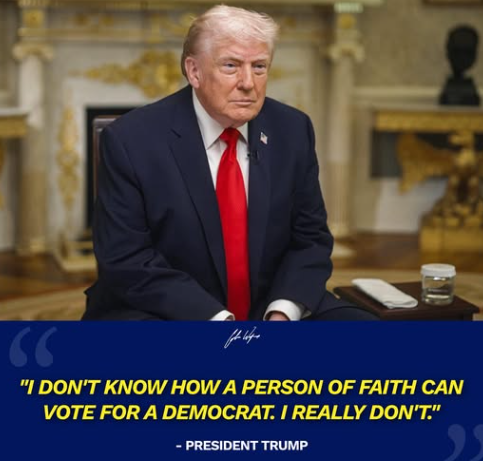 Every few days Americans receive a new blast of bullshit from our president. A few weeks ago, we were told that Trump was determined to stop the flow of fentanyl into our country from Venezuela, coming in small boats that would have to be refueled 10 – 15 times before they reached the United States.
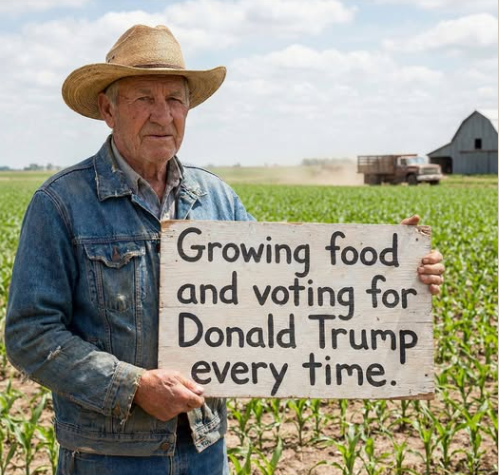 American farmers are probably still a strong demographic for Trump, but even some of these folks are regretting their votes, as a) Trump’s economic policies are destroying their enterprises, and b) farmers tend to be “salt of the Earth” folks who disapprove of those who rape little girls.
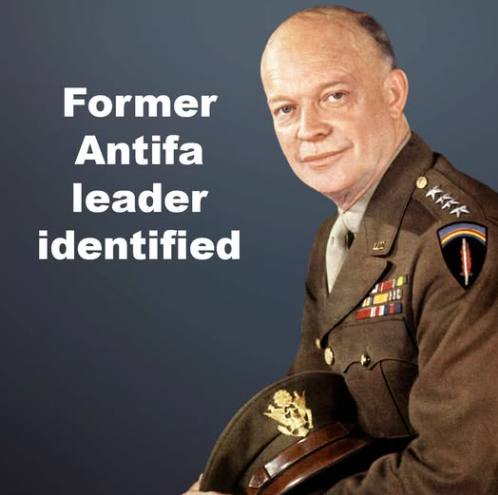 My father was one of approximately 16.2 million soldiers who fought to prevent the spread of fascism in World War II.
 The point that the fellow at left here is making is almost certainly the reason that the Trump administration is doing everything in its power to a) defund public education, and b) spread propaganda to the effect that education is essentially indoctrination into a “woke” ideology.
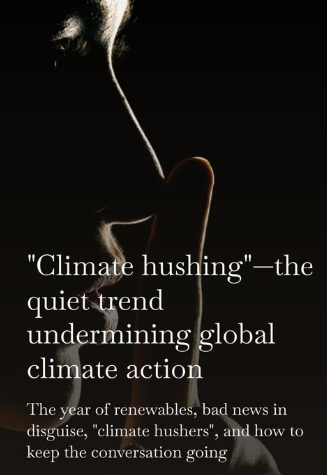 One of the key features of American society is its affinity for destroying good things.
 Most billionaires spend their lives figuring out how to protect their wealth. This one figured out how to get rid of it.
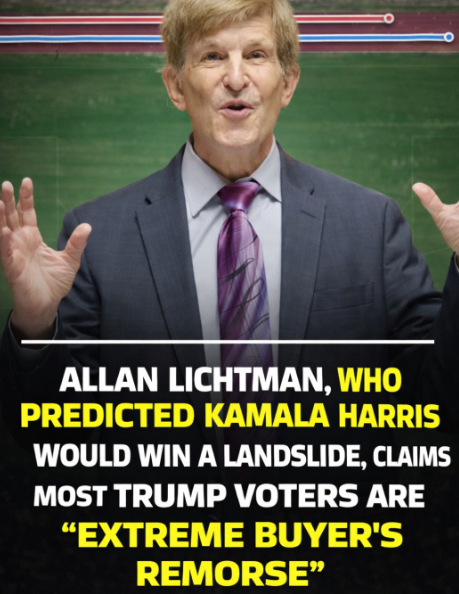 Clearly, some do. There is no other explanation for how someone who won an election could, just a year later, have an approval rating of 37%.


