
COVID-19 Vaccine Time Line

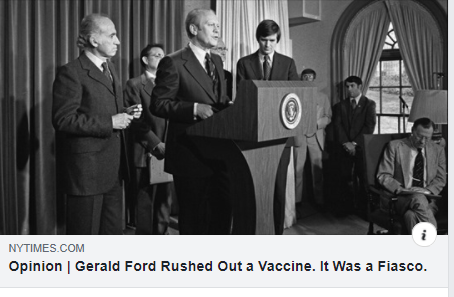 Could someone please explain something to me? How does a president, any president, “rush out a vaccine?”
Obviously, there standard medical protocols that gauge safety and efficacy. Who in the hell would get a vaccination that the scientific community as a whole hadn’t put its stamp on?
Again, I say this about any president, but especially about Trump, a man who has demonstrated hundreds of times that he has not the slightest concern for the well-being of the common American. Here’s a guy who’s suggested injecting disinfectants and shining light into people’s orifices. Who could possibly care what he thinks about our nation’s health?
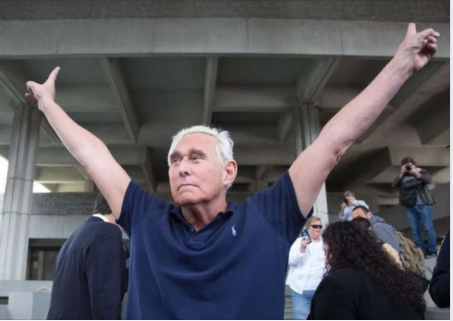 Person A: Winner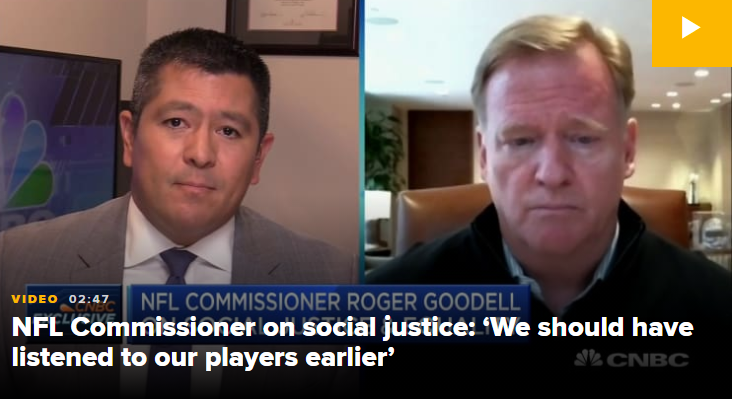
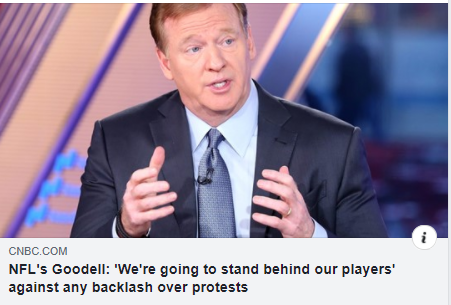 If the California Frisbee Golf Association had come out with a statement to the effect that it supported its players’ right to protest, it might not have had the same impact as NFL Commissioner Roger Goodell’s publicly apologizing for not listening to his players earlier.
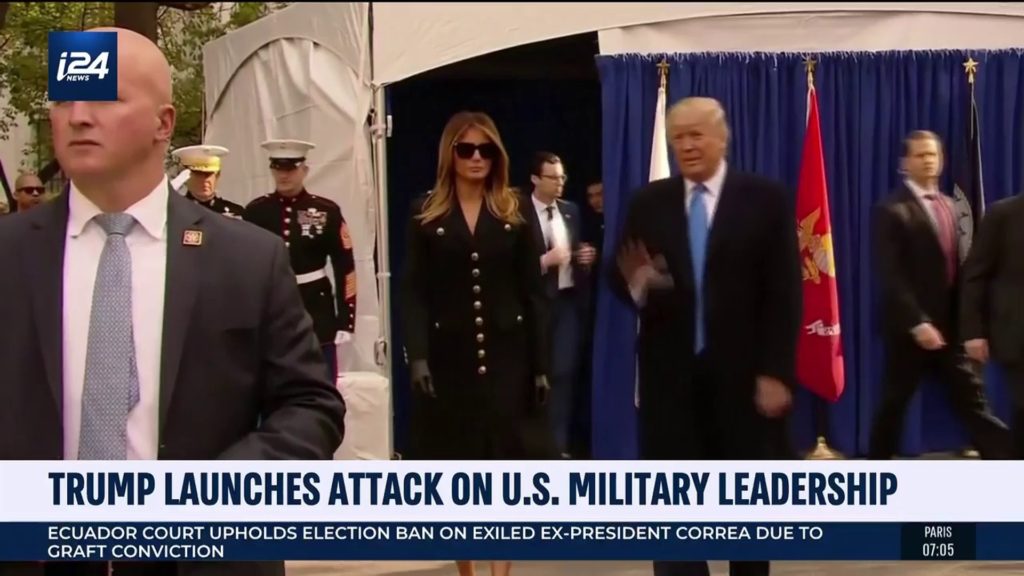 Since Trump’s attacking the U.S. military has cost him the support of a great swath of the right wing, one wonders: who’s left? With the left and center gone, the only remaining constituencies appear to be a) hardcore racists/gun nuts, and b) people whose news source has them so completely terrified and so badly misinformed that they’re missing all current events. Given the highest-rated Fox News shows have no more than 7 million viewers, and there are 18.2 million veterans alone, how can this possibly work out?
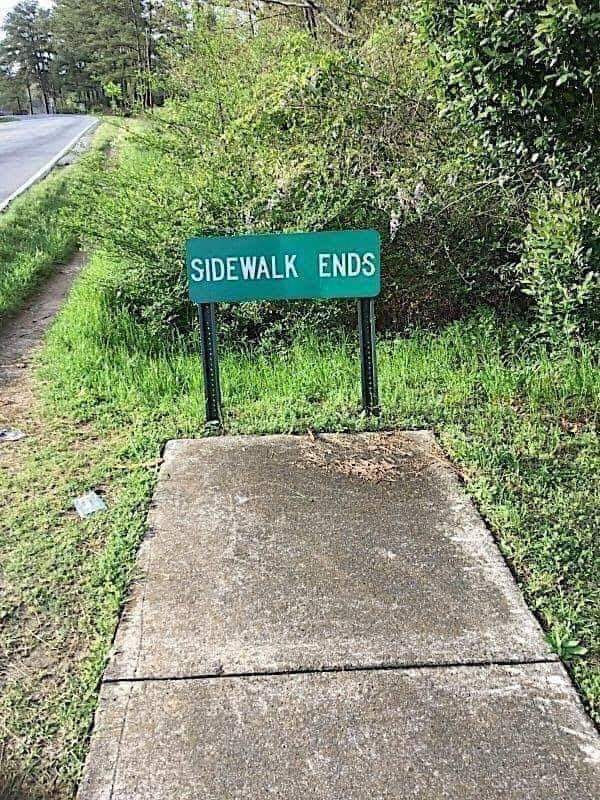 As a schoolboy, I once made a comment about something that was always quite clear to everyone, and a friend told me, “Craig, you have a firm grasp on the obvious.” The photograph here brings that moment back into focus for me.
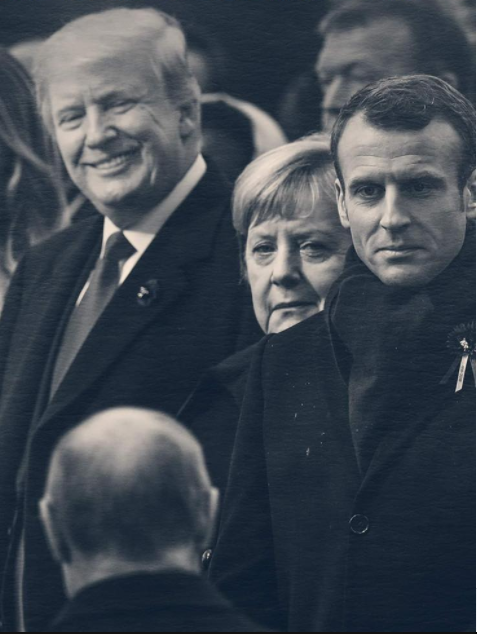 Look at the faces of Merkel and Macron. That’s intensity. They know their looking into the eyes of pure evil, and each would do anything in their power to destroy it.
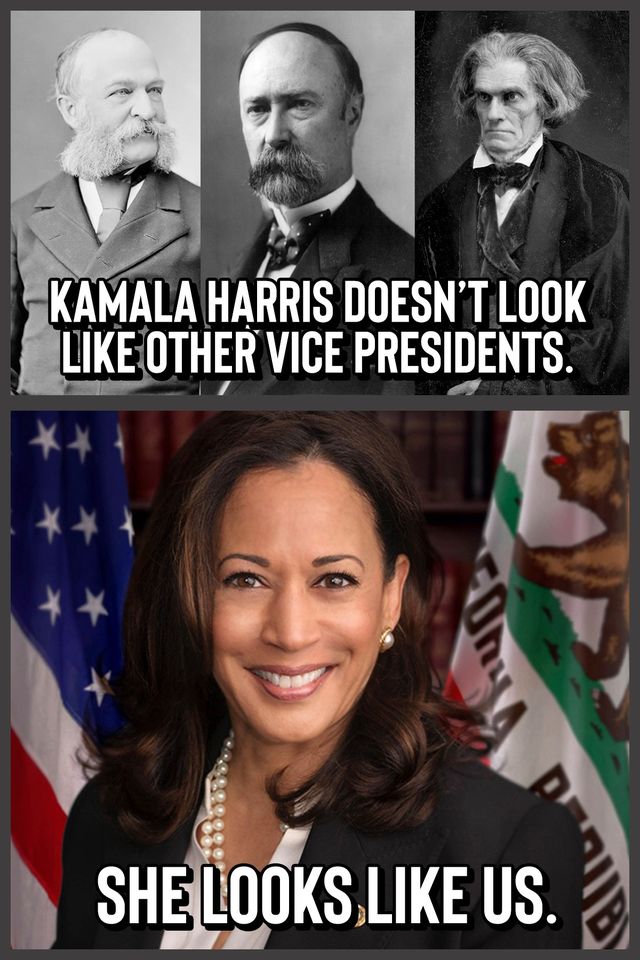 The rather intense-looking fellow at the upper right is John C. Calhoun, U.S. vice president from 1825 to 1832 under James Monroe. That scowl was indicative of America at the time, rooted as it was in wanton cruelty.
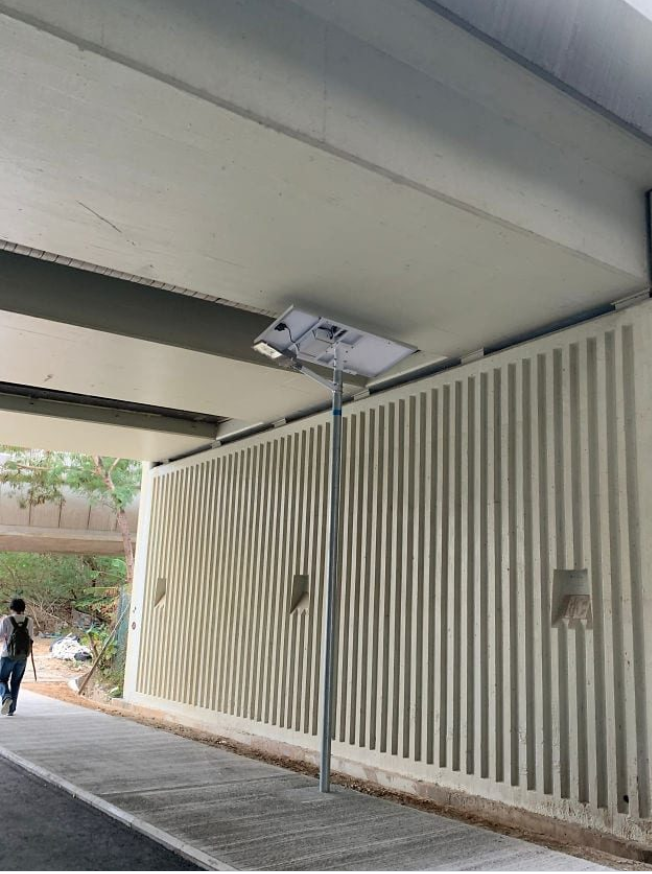 Are you an expert in solar PV installations?
 Of all the “word of the day” apps available, my favorite is
 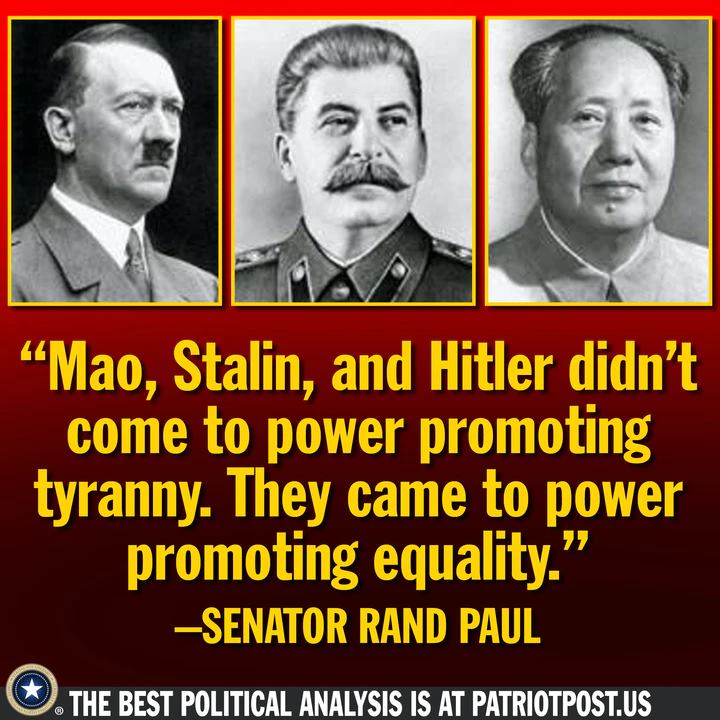 I’m surprised to see this; I thought Rand Paul was smarter than that.


