
From Guest Blogger Lizzie Weakly: Preparing for Winter–Make Sure Your Home HVAC System is Energy Efficient

 As you prepare for winter, it is important to check whether your HVAC system is working properly. In addition, you should also consider effective ways of saving energy and protecting the environment during those cold months. While insulating your home and investing in energy efficient units are sure ways of lowering your utility bills, here is what you can do to make your current system energy efficient. (more…)

 The concept of a “purge” implies the removal all elements that may act to impede the progress of a ruling authority. The most famous examples in recent history have been the USSR’s Joseph Stalin, who imprisoned and executed citizens accused of plotting against Communism, Mao Zedong’s purge as part of the Cultural Revolution, Fidel Castro’s removal of those who had previously been involved with the Batista regime, and what’s still happening in Turkey after the failed 2016 Turkish coup d’état. In addition to Turkey, China, Egypt, Iran, Bahrain, Eritrea, and Syria regularly imprison journalists in an effort to stifle dissenting views.

 Having a huge backyard is amazing, but it’s quite useless unless you’re ready to invest time and money into it. Just because most people don’t utilize such a great asset fully doesn’t mean you should do the same as well, so think outside the box for a moment and figure out several ways to make the most of your backyard.
  Here’s an email I just received from a Greek citizen now living in China, who writes: After 15 years of scientific research I completed the construction of a wind turbine model with an extremely high efficiency and operation at very low wind speeds.
 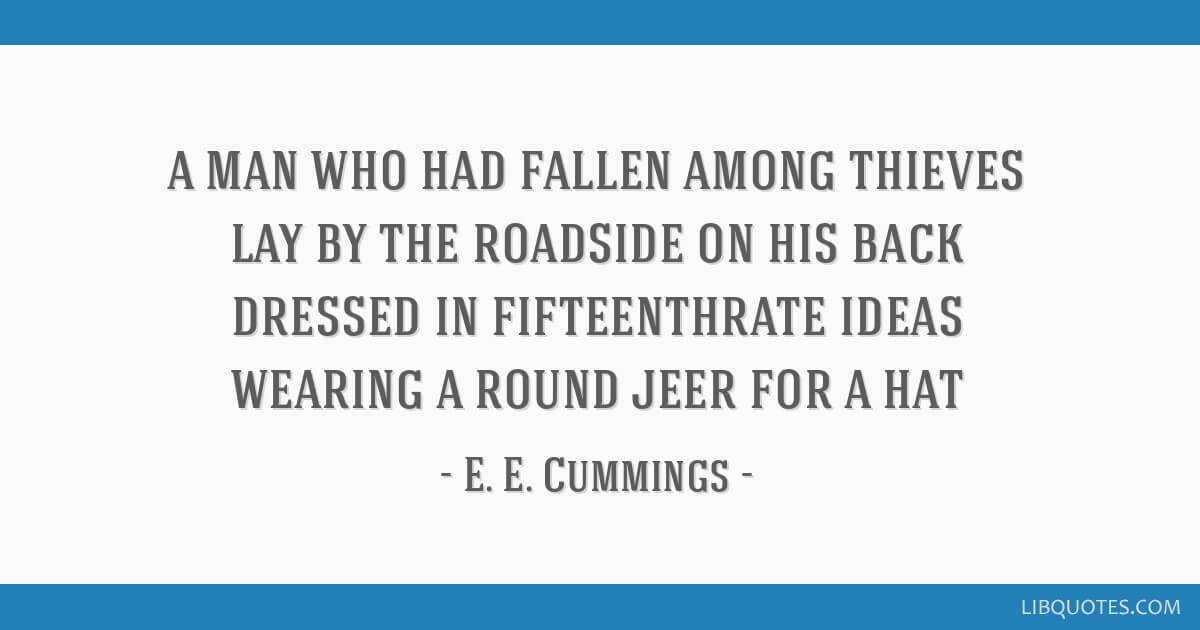 From The Writer’s Almanac:
 A friend writes:
 From Energy Matters:
 Given everything we know about