
What Top Republicans Are Saying

 I know there are readers who think I’m off the beam when I call into question the mental health of U.S. President Trump. Let me offer you this: high-ranking Republicans themselves are discussing this issue, i.e., Trump’s ’emotional maturity, and stability’.
There are new incidents happening virtually every day that are amplifying the volume of these conversations; the latest seems to be Trump’s continuing insistence that there was wide-spread voter fraud in the 2016 election, when: (more…)
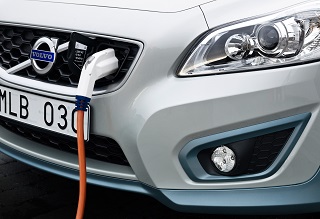
 Frequent commenter MarcoPolo writes: (Your objections to President Trump are) actually damage your own cause…..You are powerless to stop the Trump Juggernaut…..Trump could listen and support his new innovation advisors. Government support could (also) see investment in clean technology reach unprecedented levels.
 Here’s a question posed by a certain Steve Charleston:
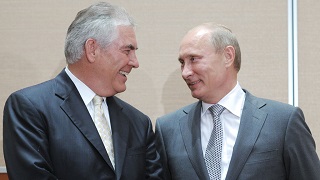 A reader comments that there has been a shift of focus in the blog here, from clean energy technology to “left-wing” politics, to which I respond:
 Here’s a
  I never thought it would come to this, but it is with urgency that I ask readers to check out this
 While the Trump administration’s
 Health researchers and public safety groups seem to release new reports about home environmental safety problems related to toxic chemicals in commonly used products almost every week. Harmful chemicals undermine both human and pet immune systems and cause serious health problems like cancer. The following four eco-friendly products help reduce these hazards and make indoor and outdoor environments healthier.
 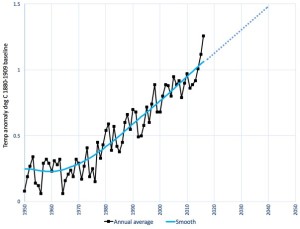 Yesterday,


