
Most Important Movements in Human History Begin with a Seminal Event

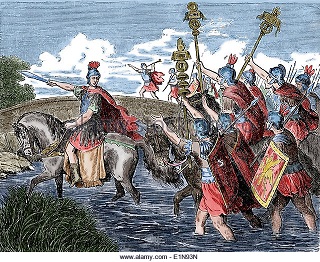 Looking back in time from our current-day perspective, most “movements” along the way are deemed to have started on a certain day, if only as an aid to those who try to make sense of these important turns in the course of history.
I’m reminded of this as the petroleum age is said to have begun 116 years ago today when an oil gusher erupted at Spindletop, just outside Beaumont, Texas. Coincidentally, it’s also the day in history (49 BCE) when Caesar crossed the Rubicon. (more…)
 Effective February 17, 2017, The Forest Service, part of the
  From the current edition of Green Auto Market, published by my colleague Jon LeSage:
 As shown in the graphic below, the concept of peak oil is pretty much dead and buried. In fact, there are supplies of all three fossil fuels to last indefinitely, as our technologies for extraction become more sophisticated.
 Tell people you’re planning to relocate your office and you better get ready to handle some pretty soul-crushing responses.
 A few more observations on the exploding advancements of technology in transportation from our colleague Fritz Maffry. – ed
 In response to my piece called
  Here’s a video that an intelligent, well-educated and well-meaning friend sent me, which “
 Here’s a point I’ve made dozens of times:


