
No Long-Term Prognosis for Fossil Fuels

 Those who foresee slow, incremental change in the energy industry should take a peek at this. Google, the company with the second highest market cap in the U.S., will receive 100% of the considerable amount of energy it consumes from renewable resources beginning next year.
It’s just another data point showing the inevitable conclusion: All Trump’s men won’t be able to put the fossil fuel industry back together again.
And ironically, the fundamental reason for the burgeoning success of renewables is capitalism itself, i.e., lots of people are making lots of money investing in clean energy all over the world.
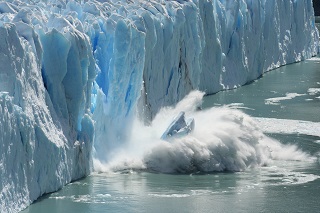 I thought I’d publish the email I just got from the Sierra Club (of which I’m one of about 2.5 million members), and offer a comment or two at the end:
 ABSTRACT: The world found that the use of chlorofluorocarbons CFCs used in refrigerants and air conditioners was causing the depletion of the atmospheric ozone layers which protect us from harmful ultra violet rays from the sun. In 1987, 24 countries met to produce the MONTREAL PROTOCOL ON SUBSTANCES THAT DEPLETE THE OZONE LAYER to phase out the use of CFC’s. It is one of the rare successes of international cooperation.
  My colleague Jon LeSage writes in his Green Auto Digest: “There’s one thing I can guarantee you about 2017: industry conferences and events are going to be very interesting. The U.S. Environmental Protection Agency’s abrupt decision on November 30 to leave in place its greenhouse gas emissions standards for light vehicles through the 2025 model year before President-elect Donald Trump takes office, is guaranteed to be discussed during speaker panels next year.
 Here’s a 10-second clip featuring “
 The populations in most countries are becoming increasingly eco-conscious, as evidenced by reports like this one, indicating that there are now
  Here’s a hopeful article in the Harvard Business Review called “
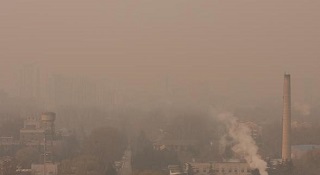 The use of coal, as an energy source, not only dominates the world’s industrial culture, but it is also among the most detrimental to the environment. It is a leading cause of acid rain and creates


