
Clean Energy "Solutions" Need To Be Economically Competitive

 Senior energy analyst Glenn Doty (see Doty Windfuels) and I have been discussing the economic merits of novel approaches to hydrokinetics. Re: my statement that I believed my clean energy business opportunity CycloOcean will provide a reasonable return on investment, he writes: “I don’t doubt that the math (there) is more encouraging. You’re more careful about the economic plausibility of renewable energy than any other renewable advocate I’ve read… That’s why I enjoy your blog (though we don’t always agree).”
I appreciate that, Glenn. That, btw, is one area of many on which we totally agree: the whole discussion centers (or should center) around economics; solutions that are not economically competitive are not solutions at all. (more…)
 One of our interns who spent the summer working on our companion site
  It’s the birthday of British philosopher John Locke, whose concepts of Natural Law and Natural Rights served as an underpinning to the U.S. Declaration of Independence and the U.S. Constitution. Locke believed that all people are endowed with rights to life, liberty, and property, and that the only valid use of government is to ensure that these rights are not violated.
 Here’s a free
  Of the many dozens of
  To prove his case against global warming, which Glenn Beck labels a “load of socialist, communist crap,” the right-wing talk-show host announced his war against
 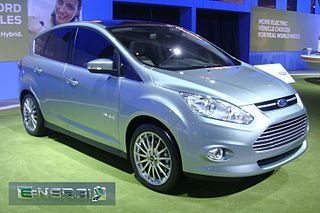 Plug-in hybrid cars have become quite popular among car buyers in the last decade or so, due in large part to extremely high gas prices and concerns over the negative effects that gasoline-powered vehicles have on the environment. That’s why plug-in hybrids, along with electric cars, are gaining momentum and sales of these types of vehicles are constantly on the rise. But, hybrid cars are relatively new to the market, and not everyone knows what they are all about.
  I had the pleasure of speaking with Norfolk Southern’s corporate sustainability officer, Blair Wimbush, just now. One of our interns who documents
  Here’s a wonderful article that explains how
 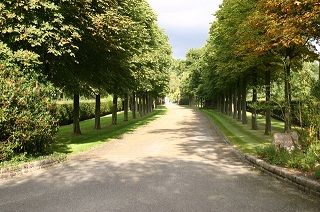 Trees are a crucial factor in the filtration of our air, and absorb carbon dioxide from the environment, which is a key contributor to air pollution and global warming. Many people are pledging to plant trees to reduce the effects of pollution on our health as well. Here are a few key things to keep in mind when it comes to caring for your trees.


