
Self-Driving Cars — Really?

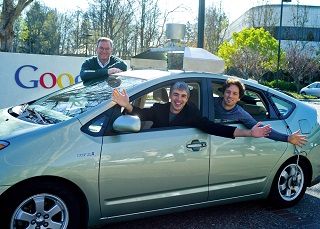
I know the world of transportation visionaries/futurists seems to be in love with the concept of the self-driving car, but I don’t see it. There is so much wrong with our existing paradigm in personal mobility, it’s hard to know where to start. Perhaps here: it’s grossly unaffordable – both economically and environmentally. We all own a huge piece of steel that sits idle 23 hours a day. During the hour it’s in use, it has an average of 1.1 occupants. We fuel it with a substance that’s causing climate change, ocean acidification, lung cancer, war – and it’s putting the U.S. in greater debt at the rate of half a billion dollars a day. If you want to get rid of something, does it really have to be the driver?
Again, I don’t see it. Of course, I’m the guy who, when he first heard rap music several decades ago, told a friend, “That garbage will last about two weeks.”
 Frequent contributor Brian McGowan comments on my post in which I write:
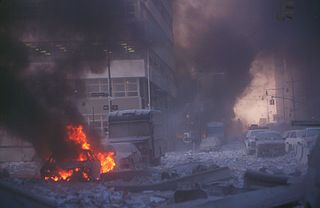
 Fracking has been in the news a considerable amount lately. This is the process which uses water, chemicals, and a complex drilling process to extract a form of natural gas, called shale gas, from rocks deep underground. Fracking is short for “Hydraulic fracturing” or breaking up the rocks with water and additives to release the gas, which is then pumped to the surface.
 Here’s an article that is illustrative of where our society is with respect to renewable energy. It seems that
 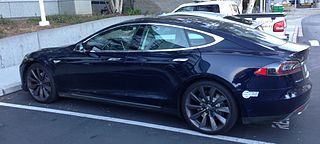 Jiminy Cricket, Tesla Motors is really standing the automotive industry on its ear. The National Highway Traffic Safety Administration (
 In response to my post:
  A reader just sent me this excellent
  Here’s a good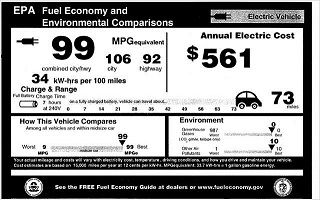
 Earlier today I had an interesting conversation I thought I’d share — on a potential video project based on the vicissitudes of the energy industry. Yes, renewables are making progress, albeit slow, but this is happening in an extremely difficult economic and political climate. I.e., there are hundreds of millions of dollars being spent in an effort to ensure that the renewable energy industry fails.


