
Hot New Solution to the Management of Mid-Sized Solar PV Projects

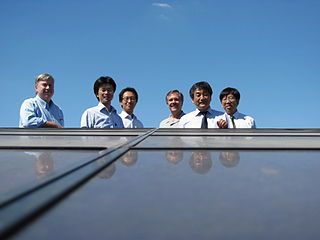 I’m happy to announce that Robert Benedict, a key player in the solar PV arena since 2005, will be coming on as a 2GreenEnergy Associate shortly.
I met Robert at last year’s Renewable Energy Finance Forum in San Francisco, when he was still head of business development in North America for JinkoSolar, one of the top six crystalline PV manufacturers (more…)
 I had a pleasant surprise yesterday, when an old friend from my wife’s horse-breeding business (in fact, the very first person who ever bought a horse from us) unexpectedly contacted me on 2GreenEnergy. He’s an affluent Jamaican who was looking for a renewable energy solution to offset roughly a megawatt of electricity that he needs for a significant amount of restaurant refrigeration, for which he’s paying $0.40 per kilowatt hour.
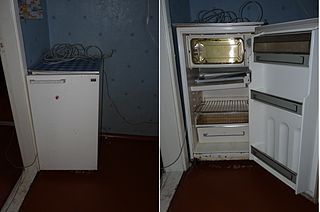 My team and I will soon be writing a grant application for a company whose core expertise is in the environmentally responsible destruction of CFCs, through the collection and “demanufacturing” of old refrigerators and freezers, and the renovation of buildings containing polyurethane (CFC-based) insulation.
 Last week we published our 3000th blog post — a magnificent opportunity for me to express my profound gratitude to our many supporters: guest-bloggers and frequent commenters, interns, associate service providers, and, of course, the people without whom none of this could happen: the
  Energy efficiency is not as difficult as it may sound. While most people aren’t in a position to custom-build a LEED certified home, they are in position to do and add a few things around their homes to make them work better. The following are a few of those things that will help your room be a little more energy-efficient.
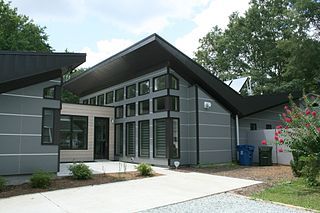 As the green lifestyle becomes more popular, it should come as no surprise that more programs and incentives are being offered to help people convert. An Energy Efficient Mortgage (EEM) is a lesser known service that can be a real help to homeowners looking to refinance or those buying a new home. It allows them to finance energy saving upgrades right into your mortgage. This is perfect for people who are interested in adding solar panels to their home, upgrading old windows and insulation, and exploring alternative heating solutions. If it will save you energy, it can most likely finance it through an EEM.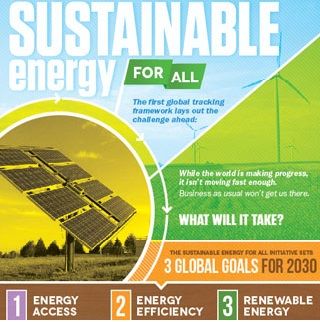
 Here’s a
  I’m doing a radio talk show in a few minutes, on which I’ll be discussing


