
Trump’s Presidency and the Insurrection

 Laurence Tribe, Harvard Law Professor Emeritus (pictured at left) says,
“Section 3 of the 14th Amendment bars Donald Trump from taking the oath of office.” This is the amendment that disqualifies former government officials from holding office if they took an oath to support the Constitution but then betrayed it by engaging in an insurrection.
I’ll be stunned if this turns out to provide even a small hiccup in Trump’s inauguration, principally because he hasn’t been convicted, and, at this point, likely never will be.
Now, I understand that this clause was put into place after the Civil War to prevent leaders of the confederacy from holding high-level U.S. political posts, and that these people had not been convicted of crimes. Still, as much respect as I have for Dr. Tribe, I don’t see it. We have a 14th Amendment, but we also have a 5th, which promises us all due process.
 Christian pastor John Pavlovitz is correct in what he writes here: unity is a losing concept in U.S. politics at this point in time. And it’s not just that the MAGA crowd resents educated people; we’re not too fond of them either.
 At this sad point in time, it looks improbable that Donald Trump will be held accountable for having committed the most egregious crime in U.S. history.
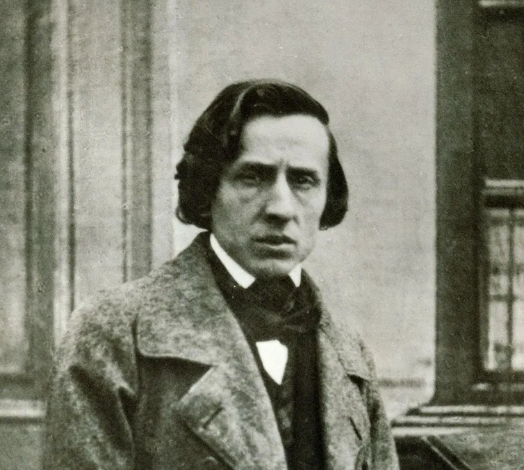 Both diminutive in stature and frequently sick, Frédéric Chopin was in no physical position to help Poland in their uprising against the oppressive Russian rule in 1830-31.
 We’d like to believe that what Republican congressman Adam Kinzinger says here is correct.
 The prevalent view of Donald Trump from people in the most of the rest of the developed world could be summed up as follows: “We just feel sorry for you Americans. We never thought it could happen to you.”
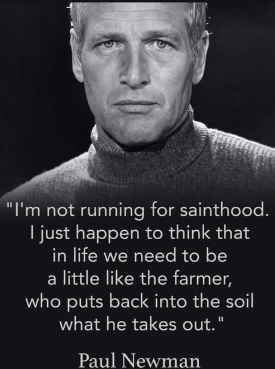 When I was a little boy my grandfather told me, “Try to leave this world a better place than it was when you got here.”
 It’s amazing that people believe a word that comes out of this man’s mouth.
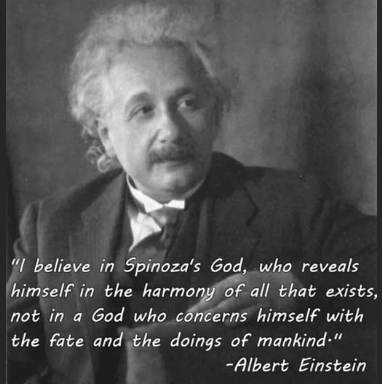 Spinoza was one of the so-called continental rationalists, along with Descartes, Leibniz and others less often read today.
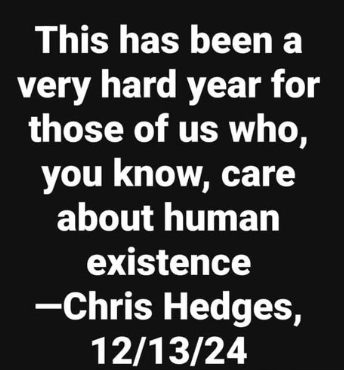 Chris Hedges


