
Trump and the End of Night Flights

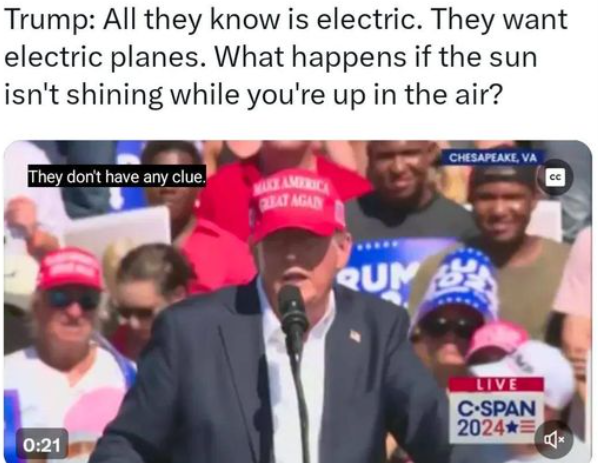 In his statements to his supporters, Trump has no issue with insulting the living hell out of their intelligence. Here’s a great example, where he claims that the absence of sunlight at night eliminates the feasibility of using electricity for aircraft.
The world’s engineers are unaware that the sun sets? No one’s ever heard of batteries? That’s a pretty low estimation of your audience’s capacity to think.
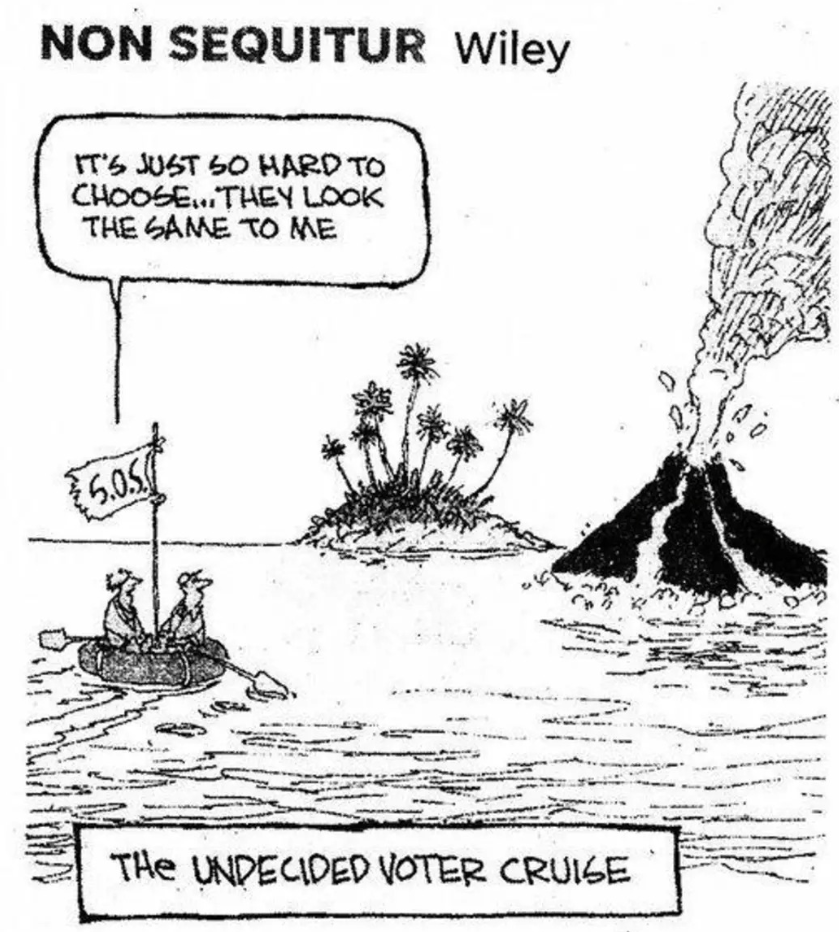 Just came across this cartoon, which echoes the thoughts in my recent post “
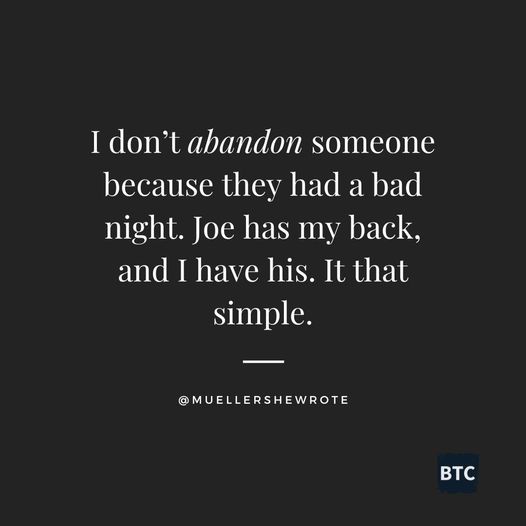 Sorry, but I disagree with the author of the meme here.
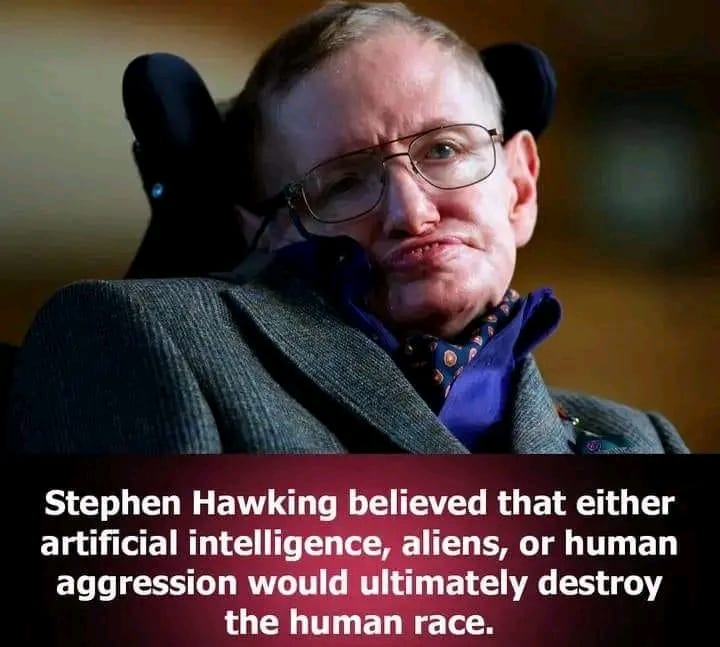 I wonder if environmental collapse, including climate change, could be considered “human aggression.”
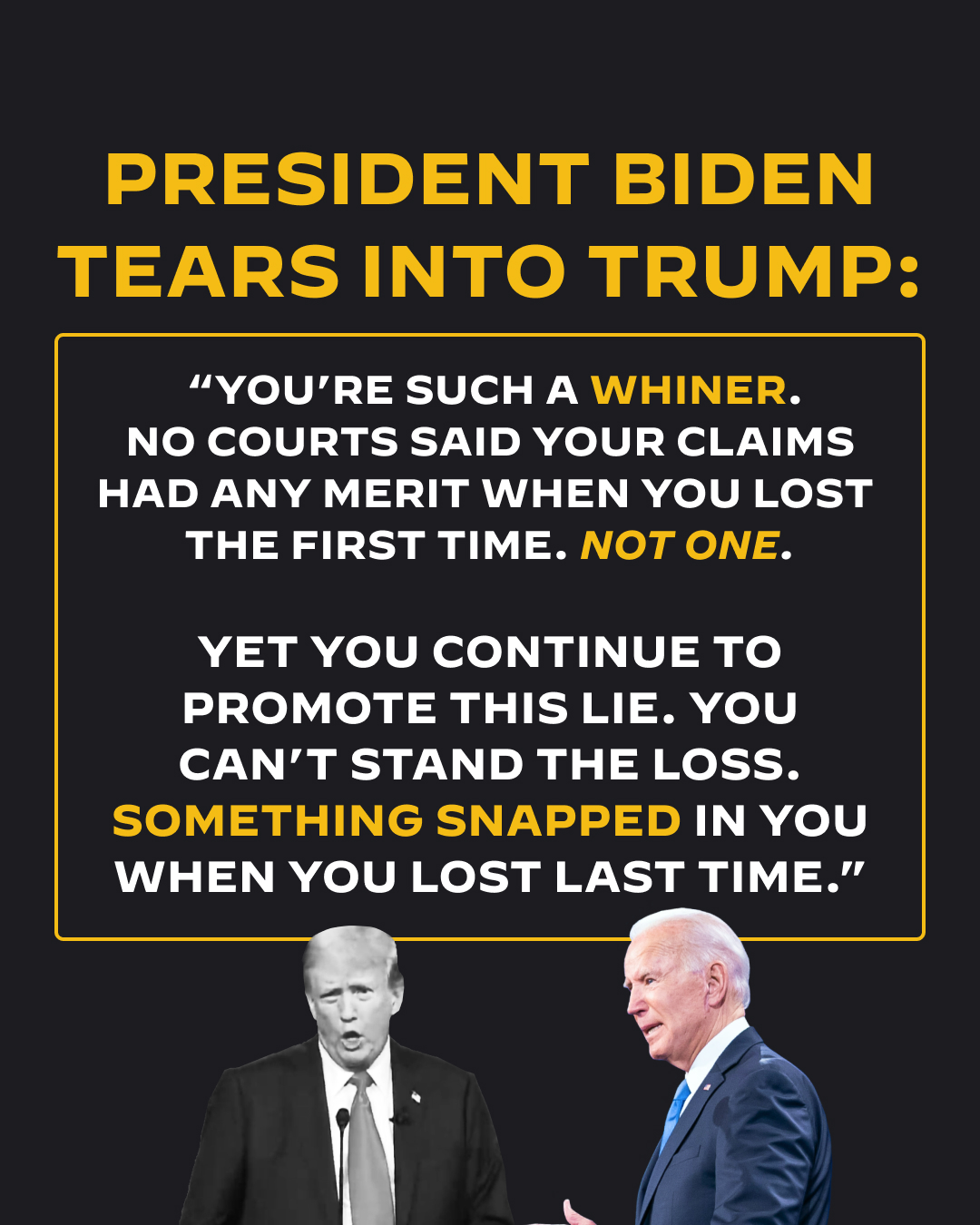 I wouldn’t say that calling Trump a “whiner” because he refused to accept the result of the 2020 presidential election is exactly “tearing into” the former president. Anyone can challenge the tallying of votes.
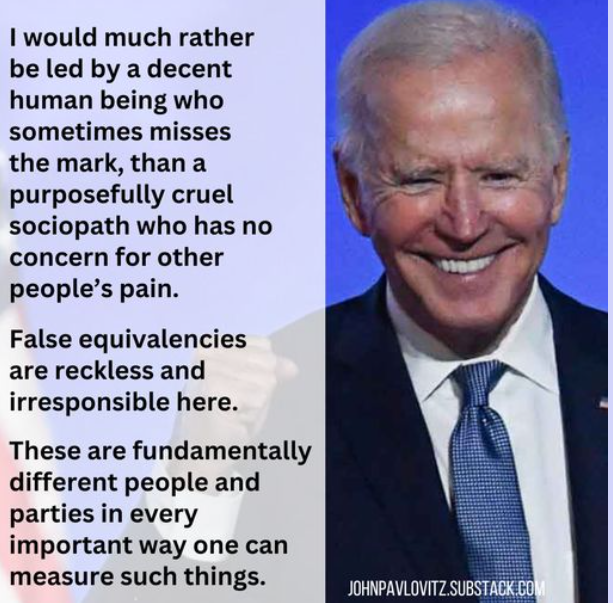 In my last phone call with my mother she asked if I was going to watch the debate. When I told her no, she was incredulous. “Don’t you want to know about the character of the two men who are vying for control over the highest office in the land?”
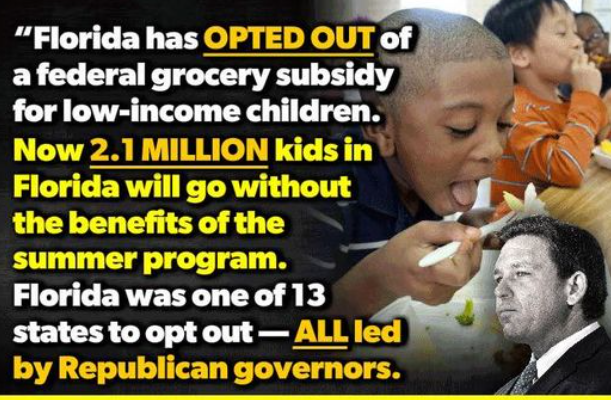 It’s amazing that the population of Florida isn’t falling off a cliff, as its leadership continues to ratchet up the cruelty on its poor.
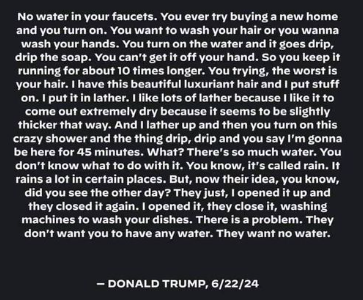 Do “they want no water?”
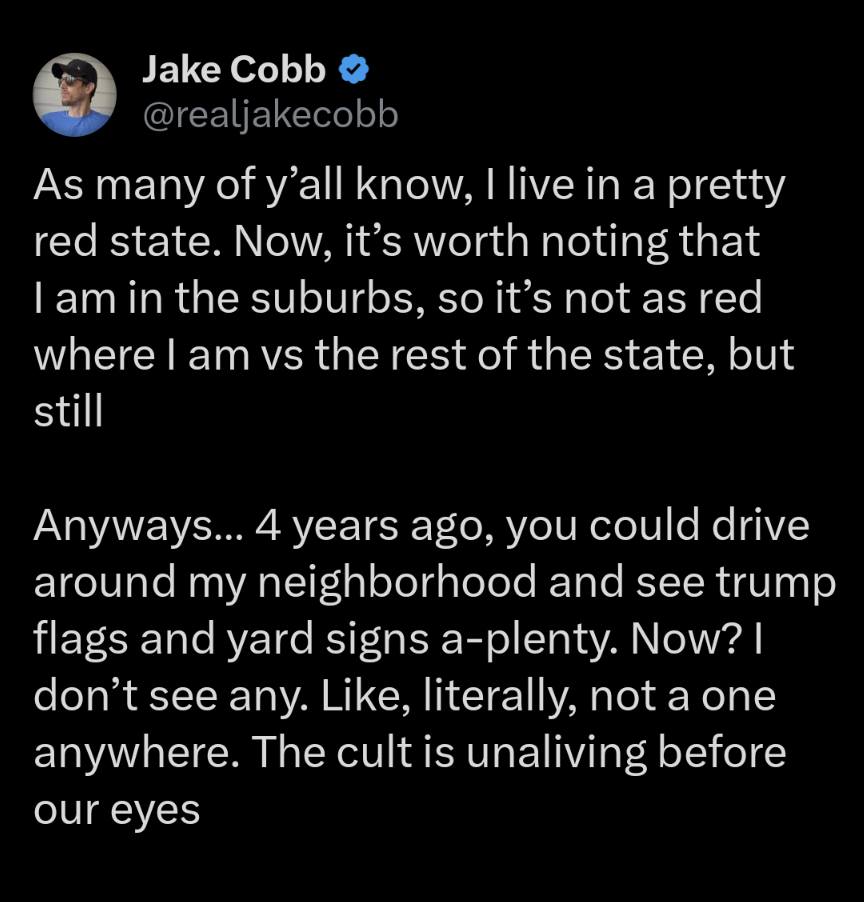 This guy makes a good point; people hate to look like idiots, and thus it stands to reason that we’re seeing fewer Trump flags.
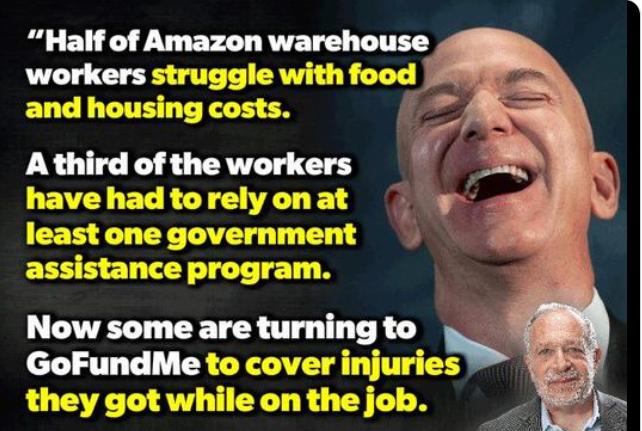 Jeff Bezos is worth $205 billion, which, given the impoverishment of a large percentage of his employees, is obscene.


