
Our Political Opponents Are Now Our “Enemies”

 Here’s Arkansas governor Sarah Huckabee Sanders, asserting that the President of the United States is “trying to destroy” (the country).
Apparently, this type of rhetoric plays well in the American south, where the people, mostly poorly educated, eagerly accept the idea that Democrats are actively engaged in ruining our nation.
Fortunately, this type of language is not particularly effective elsewhere.
More to the point, we used to have political opponents, rather than enemies. We hire these people to make laws that guide our lives, and sometimes these processes require compromise, or at least the recognition that the guy across the aisle is actually not a traitor to his country.
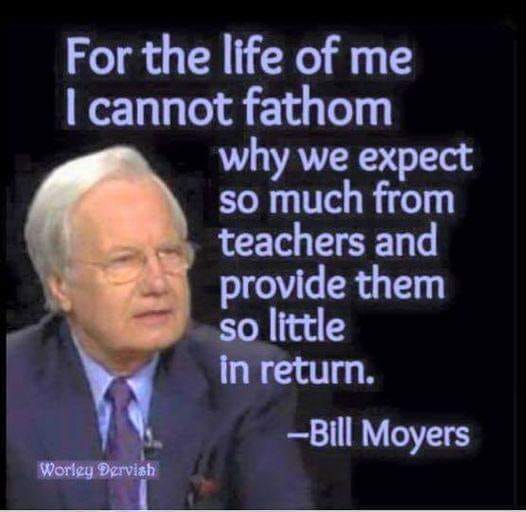 I love Moyers.
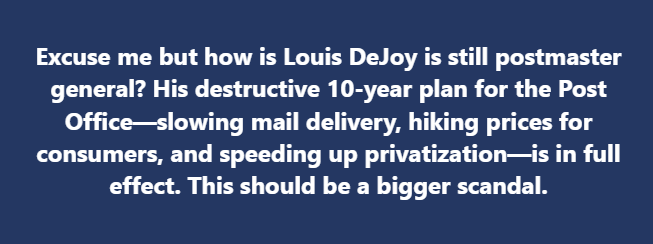 In addition to what former Labor Secretary Robert Reich writes here, as I understand it, the real scandal is that DeJoy has a direct incentive to degrade the level of quality provided by the U.S. Post Office: his eight-figure investment in a competitive mail delivery service.
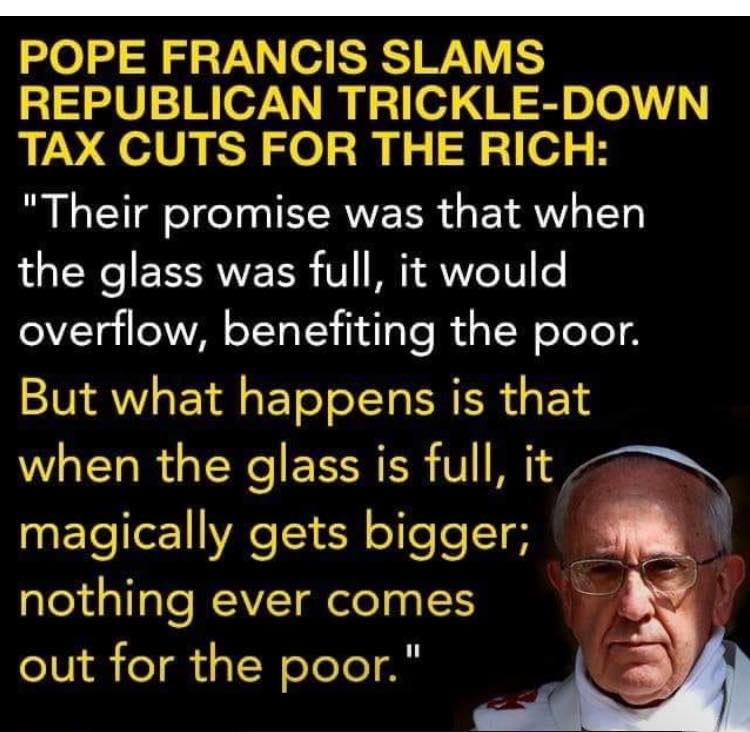 What’s remarkable about these words from Pope Francis isn’t that they accurately express an important truth; anyone with any sense and integrity recognized the fallacy of trickle-down economics decades ago.
 To follow up on earlier posts in which I suggested that there are enormous segments of the U.S. electorate that find Trump an abomination, there clearly are those with a natural affinity for the former president.
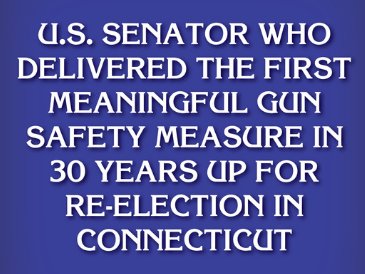 If you live in Connecticut, you know how much U.S. Senator Chris Murphy has contributed to keeping us safe from gun violence.
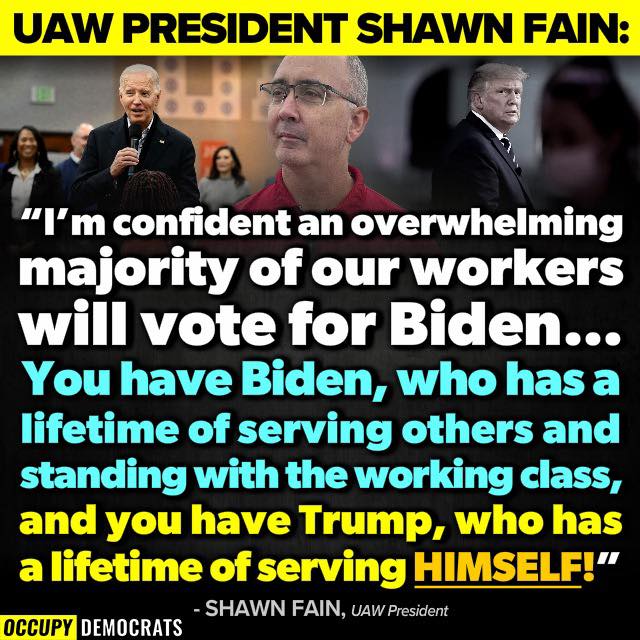 In an earlier post I mention the disdain that U.S. military veterans have for Trump.
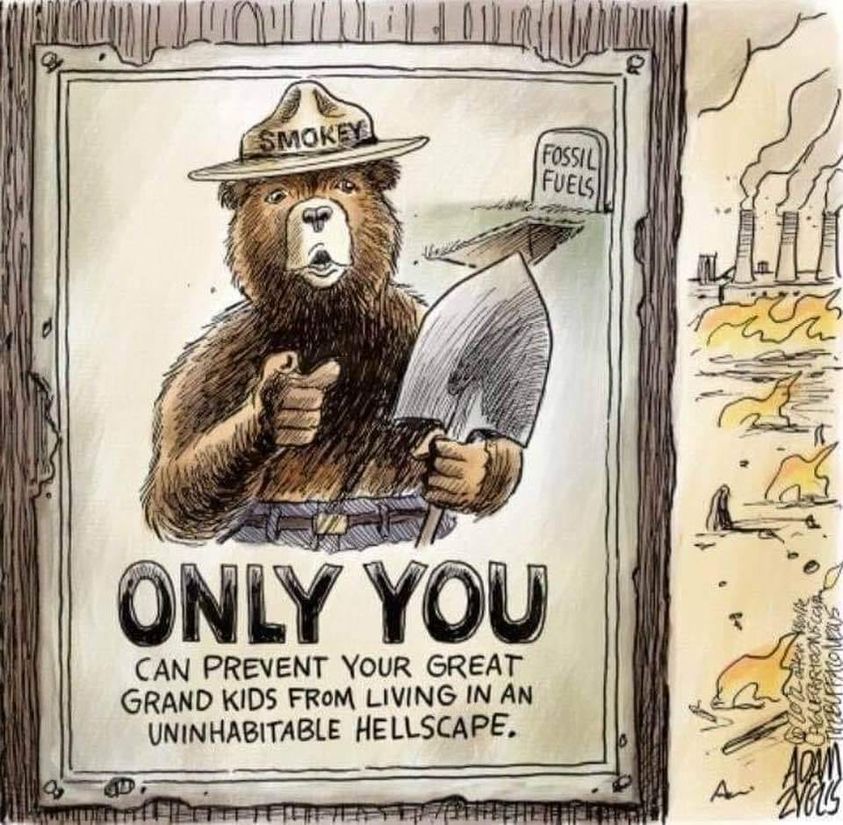 As one might expect, a great deal has changed about the way we warn about the danger of wildfires. First is the word “wildfires” itself, which, up until the last couple of decades, were called “forest fires.”
 Of all the segments within the U.S. electorate who are working hard to have Donald Trump removed from American political life, it’s impossible that our military veterans are the most steadfast.
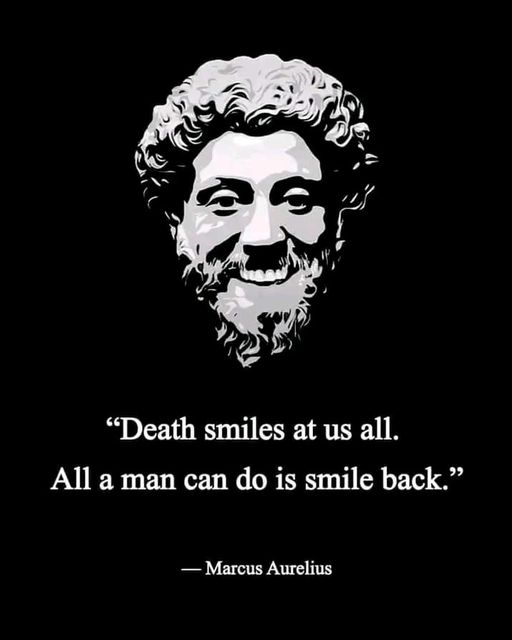 As we get into the later years of our lives, after we’ve lost a parent (or both) and more than a few school chums, we start to consider, perhaps for the first time, our own mortality.


