
From Guest Blogger Siva Thangarajah: Is It Possible to Power the World with Solar?

 Solar power is one of our most promising renewable energy resources, as it is one of our most ubiquitous. Countries like China and Japan have been leading the way , with the former exceeding its 2020 solar panel installations targets in 2015. (more…)

 From one of my favorite reads,
  Most people think less of those who smoke cigarettes; in fact, some would rather be in the presence of projectile vomiters. Here’s good news for our society: we’re starting to place the same type of social stigma on those who carelessly ruin our environment.
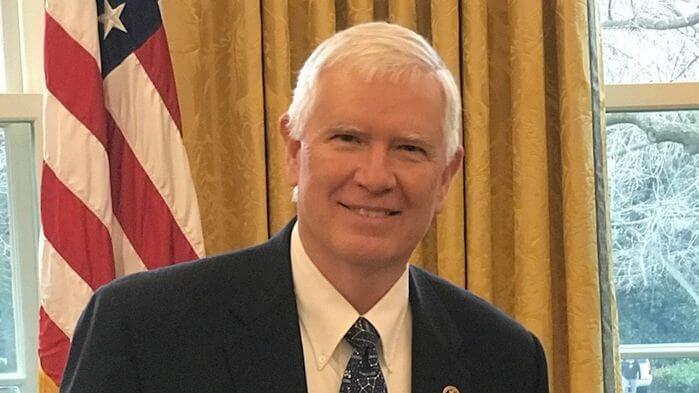 Once you get past the fact that U.S. lawmakers are doing a pitiful job mitigating climate change, there are two distinct elements of the congressional discussion that really are amusing as hell.
 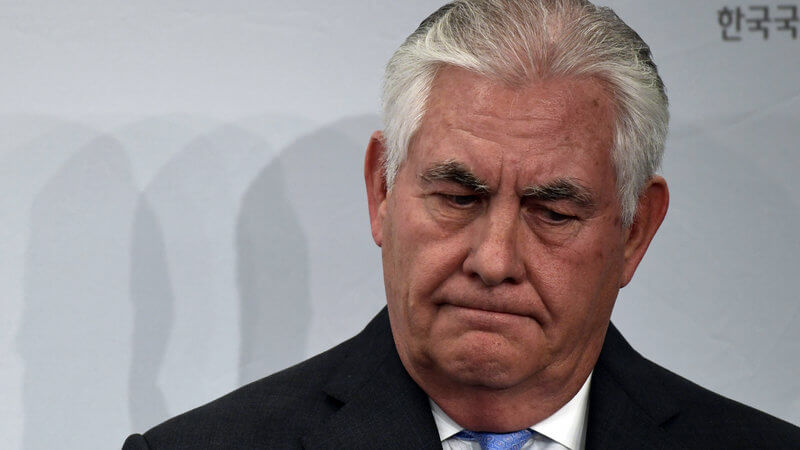 Recently fired U.S. Secretary of State Rex Tillerson is back in the news today with this remark: “If our leaders seek to conceal the truth, or we as people become accepting of alternative realities that are no longer grounded in facts, then we as American citizens are on a pathway to relinquishing our freedom.”
 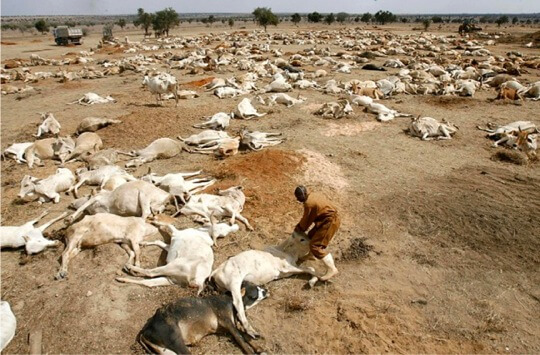 Frequent commenter MarcoPolo asks: I’ve noticed (as have others) your change in attitude in the last 18 months. Prior to the 2016 election you seemed very focused on clean energy technology and genuinely interested in promoting debate, discussion and different viewpoints and methods concerning combating all kinds of pollution. (What changed?)
 Home remodeling usually has one or two main goals. The first is to renovate the home and make it seem fresh and different once again. The second is to repair all the small imperfections that have been bothering you and that can’t be fixed on a free weekend.
 The summer heat can start to get oppressive when you don’t have an escape from it. One option is to run your AC constantly, but at the expense of your wallet. Here are some other solutions to help you be energy conscious and stay cool.
 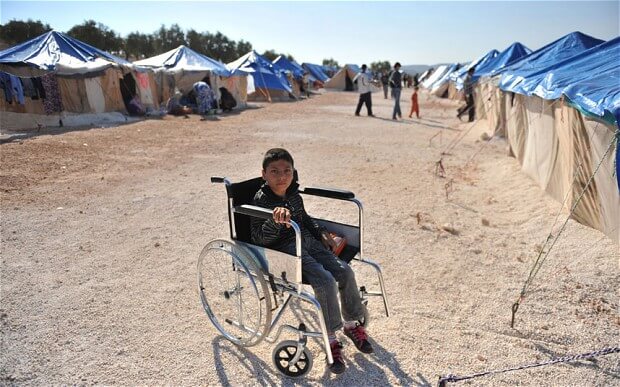 What’s the English word or phrase we use to describe an Israeli sniper shooting and killing (or shooting for the femur so as to permanently maim–see photo) a child throwing rocks? If you said, “Israel defending its border,” you have a future in the U.S. State Department. On the other hand, if you call it “murder” or a “war crime,” or “a blatant violation of international law,” you join me as some sort of subversive.
  It’s understandable that some Americans think that its president “has good ideas.” This is exactly where my dyed-in-the-wool-Republican mother is; she approves of his policies on border control, taxation, international hostility, political correctness, reduction in government, as well as the repeal of as many of Obama’s accomplishments as possible. At the same time, she would admit that Trump is a person of deeply flawed character, and she certainly would not join a whopping


