
One of Many Reasons It’s Not a Good Time To Be an Oil Company

 What’s going to happen as the Earth warms, the sea-levels rise, and storms batter the East Coast of the U.S. with ever-increasing ferocity? Well, for one, damages, measured in the tens or hundreds of billions of dollars per storm, are going to mount up. (more…)
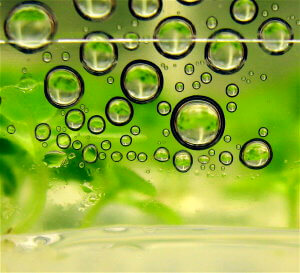 ARPA-E (The U.S. Department of Energy’s Advanced Research Projects Administration – Energy) is investing an average of about $600K into each of 18 projects associated with algae as fuel. They write:
 Here’s an
 When purchasing a property for business, there are a lot of inspections that need to take place before making a final decision. One important step that should never be overlooked is an environmental assessment. This assessment is an inspection of potential environmental hazard or existing issues that you, as the buyer, need to be aware of before taking ownership of any property. Here’s a short primer on why this is important.
 Every household from ones that have single occupants to ones filled with children and multiple generations can help the environment by participating in projects that can make a difference. You do not have to believe in climate change to see that landfills take up a lot of space that could be used for something else. You do not have to be an environmental activist to appreciate savings on utility bills. Here are five projects you can do at home to make things better for yourself and the environment.
  Here’s an
  What the world noticed about Trump’s childish threats against North Korea and Iran at the UN today was that the stock market didn’t even blink when he made this speech, as insane as it was.
  The environment is the singular most important part of this earth, as it sustains all life within it. As global citizens, we need to protect the environment and to live in harmony within it. Even if you are not interested in reducing humanity’s carbon footprint, you should still aim to reduce the energy you use, because it is the best way to save on your monthly bills. You can save money and save the environment all at once. To make your home more energy efficient today, use these tips:
  Here’s an idea in renewable energy that finds its way onto social media every couple of months. Called
 As Earth’s climate and nature continue to change under the pressures of global economy and


