
Clean Energy Concepts That Show a Misunderstanding of Physics

 At an average rate of one or two a week, I get suggestions for clean energy concepts that demonstrate a lack of understanding of the laws of physics. The last 24 hours has represented a spike; I received both:
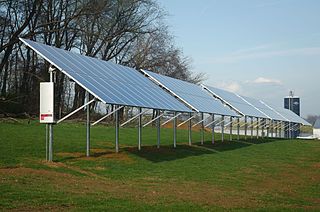
• A call from someone who claimed he can generate 250 mW from 10 acres of solar PV (far more than the incident solar power), and
• An idea I’ve seen before in various manifestations, the notion of extracting energy from cars as they drive along the roadway. (Obviously, you can extract the energy, if you don’t mind slowing the cars down, causing them to burn more gasoline.)
At the core of the discussion, of course, lie the first and second laws of thermodynamics, i.e., you’re not going to get more energy out of a system that you put into it, and there will always be losses along the way.
 Here’s a podcast of about 10 minutes in length; it’s an
  You need to start making changes at your doorstep if you want to be a good global citizen as far as environment protection is concerned. Minor changes at your home are not only beneficial for the planet but for you own health and happiness as well. These changes might include anything from using alternative cleaning agents to using recycled ones. As fact of matter, decrease what you consume or recycle as much as you can to make your home more eco-friendly.
  Style up your space by adding all safe and healthy items that are supposed to be eco friendly and more appreciable for maximizing the beauty of your dwelling. It is an age of modifications and innovations where thousands of new things are arriving through different emerging companies. At once this new creative world is good for its facilitative feature and worst as well because of its hazardous remains.
  Here’s an excerpt article published last week by Reuters that illustrates how galactically stupid the debate on energy has become. Please read along and see where you think this goes completely off the rails for anyone with an IQ over that of a stalk of celery: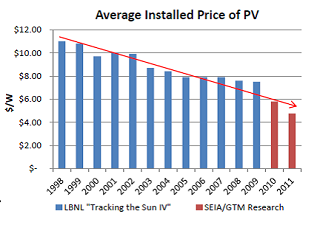
 Frequent commenter Brian McGowan writes: I found this
  Going green is more than installing compact fluorescent light bulbs.
 Teaching kids about
  I mentioned a few months ago that I’m making real progress towards putting together a fairly large (nine-figure) waste-to-energy deal in a developing but extremely stable and business-friendly country in Central America. My trip back East enabled me to have lunch with the deal’s principle, a fellow I’ve come to know and respect from our numerous phone and email chats over the last few months.


