Clean, renewable energy is becoming more popular everyday.
As oil and gas prices are on the rise, the need to refocus our attention on creating sustainable new options is essential.
With that in mind, here are a few ways to get your kids excited about clean, green energy—so that ultimately they will recruit their kids to go green in the future as well. (more…)
Denmark is held up as one of the great success stories when it comes to wind power – and it is. Half of Denmark’s electricity consumption will be generated by wind power in just seven years time. But Denmark has other lessons for those interested in wind power. It illustrates how effective – or ineffective – government support for renewables can be.
At one stage, wind power in Denmark was a genuinely popular movement. Around 3,000 community organizations with 150,000 shareholders operated wind turbines there. Then the government changed the law. They got rid of feed-in tariffs and replaced them with renewable portfolio standards (mandates requiring utilities to purchase renewable energy) and top-ups when renewable electricity was sold on the market. (more…)
As fossil fuels become scarcer and more expensive, research continues to discover a means of producing energy from renewable sources. One challenge in this quest is devising a means to create sustainable energy in large enough quantities and economically enough to make sustainable energy sources a financially feasible option. While some alternative energy sources, such as solar energy and geothermal energy have already begun to enter the general marketplace, other promising sources of energy are still in the early stages of development. (more…)
Harnessing the sun’s energy has been around in one form or the other since the mid 1800’s when it was first referred to as solar photovoltaic technology.
Now, almost two centuries later, solar energy is the most predominant alternative power source in the world next to its breezy brother, wind energy.
So, which countries are making the most of their sunny days by converting sunlight into electricity? (more…)
A war of rhetoric has erupted in the USA over Washington’s plan to compel refiners to increase the proportion of ethanol in gasoline. Carmakers are warning owners against using ethanol blends higher than 10 per cent, saying warranty claims might otherwise not be honored.
Manufacturers claim the proposed new mandate of 15 per cent, known as E-15, corrodes engine and fuel system components. Toyota and Lexus are even apparently fixing warning labels on gas caps and including cautions not to use E-15 in owner’s manuals. (more…)
2GreenEnergy supporter Tim Kingston sent me this piece on Germany’s adoption of renewable energy. It’s good, but I wish it were a bit more informative. We already knew that heavy penetration of variable resources gives systems operators heartburn, and that unexpected clouds that shadow a significant part of their solar arrays (a mere 30 gigawatts in the case of Germany) are bad news.
In any case, we all need to be respectful of Germany, as, with their new-found anti-nuke sentiment, they really are grabbing the clean energy bull by the horns. It’s a very interesting commitment for a country whose cultural norms are so deeply rooted in minimizing risk. “Sicher ist sicher” (sure is sure) an old friend used to tell me, describing the typical German mentality.
Of course, the Germans would respond here, “You want sure? OK, we’re surely destroying our planet with the consumption of fossil fuels. The question is what are we going to do about it.”
No one likes to waste money, especially not tens of billions of Euros. But this is tricky business for several reasons, like the opportunity cost of waiting while various forces argue the merits of different alternatives. This, btw, is exactly what the Nature Conservancy wants to do here in the U.S., i.e., take as long as required to find the perfect spot for solar panels – one that has exactly zero impact on natural systems.
In case it’s not obvious, I believe that there is a real cost to this behavior, and that making a few compromises in the name of expediting the build-up of renewables is acceptable.
It’s hard to know what to make of this week’s unanimous Senate vote, confirming Ernie Moniz as the new U.S. Energy Secretary, replacing the outgoing Steven Chu. If you’re a fan of a sustainable energy policy, it’s certainly not a good sign when 100% of Senate Republicans like the way a certain person thinks. Of course, in addition to his work in support of renewable energy, Moniz does have deep ties to the oil and natural gas people. (more…)
Considering I was a marketing guy for the fat part of my career, it may be a bit strange that I don’t closely follow the writings of Seth Godin (on left in photo), certainly one of the biggest names in marketing over the past 20 years. I did, however, come across this incredible piece, and wanted to be sure to pass it along to our readers here at 2GreenEnergy. I think you’ll agree that it makes an important point about the relationship between marketing, sustainability, and business ethics.
Highly underdeveloped countries have all the making to move directly to renewables. Mozambique has a massive hydroelectric plant already, Namibia has massive potential for solar thermal to power surrounding countries and the list goes on. And this is where my query comes in… In your book your views of hydrogen are not by any means becoming due to the large infrastructure required to replace existing in the US. (more…)



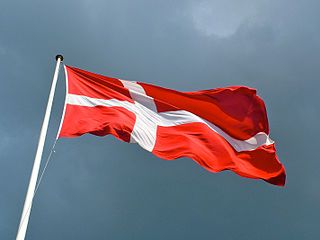 Denmark is held up as one of the great success stories when it comes to wind power – and it is. Half of Denmark’s electricity consumption will be generated by wind power in just seven years time. But Denmark has other lessons for those interested in wind power. It illustrates how effective – or ineffective – government support for renewables can be.
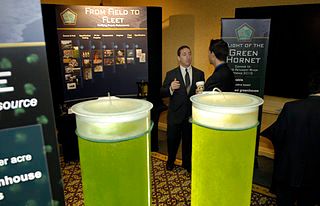 As fossil fuels become scarcer and more expensive, research continues to discover a means of producing energy from renewable sources. One challenge in this quest is devising a means to create sustainable energy in large enough quantities and economically enough to make sustainable energy sources a financially feasible option. While some alternative energy sources, such as solar energy and geothermal energy have already begun to enter the general marketplace, other promising sources of energy are still in the early stages of development.
 A war of rhetoric has erupted in the USA over Washington’s plan to compel refiners to increase the proportion of
  2GreenEnergy supporter Tim Kingston sent me this piece on
  Here’s an article from
 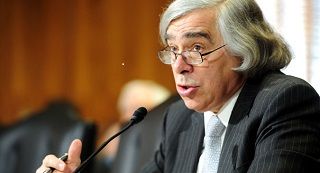 It’s hard to know what to make of this week’s
 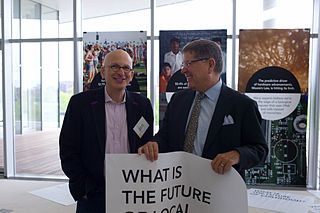 Considering I was a marketing guy for the fat part of my career, it may be a bit strange that I don’t closely follow the writings of Seth Godin (on left in photo), certainly one of the biggest names in marketing over the past 20 years. I did, however, come across
  Kenny Hearn from South Africa writes:


