From Guest Blogger Tara Gould: Solar Champions UK – Business, Community, Industry Pioneers

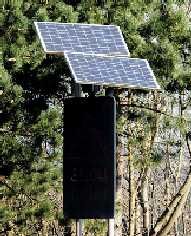
According to the DECC (Department for Energy and Climate Change) the UK is committed to reducing its greenhouse gas emissions by 80% by 2050. This emissions target, outlined in the Climate Change Act 2008, is legally binding. But judging from the behaviour of the British Government you’d be forgiven for thinking otherwise. David Cameron’s pledge to lead ‘the greenest government ever’ is in stark contrast to the recent Government cuts to renewable energy subsidies. Coupled with the Chancellor’s rhetoric which blatantly undermines green issues, and Tory Kowtowing to back bencher ‘Nimbies’ intent on disrupting the necessary growth of on shore wind power, Government intentions appear anything but green. The British public are losing faith too: according to a recent poll by Green Peace, only one in fifty members of the British public believe in Cameron’s pledge. (more…)






 I coached several years of my children’s participation in soccer and basketball, including my son Jake’s soccer team five years ago when he was 14, one of the highlights of my life, as it connected me with so many fine people, and, at the end of the day, a really good cause. In particular, one of the kids on the team, Joel Blacker, comes from a devout Christian family that does a ton of humanitarian work in Haiti. Here’s a