
What’s Wrong Inside Toyota?

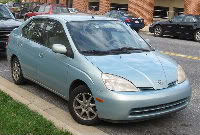
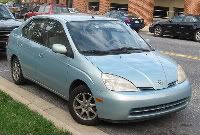 I spoke with a couple of the people promoting the 2012 release of the Prius plug-in hybrid yesterday at the 2010 Plug-In show. Gosh, this seems like a strange concept. Its all-electric range? 13 miles. The net effect for the typical customer? A bit better gas mileage. “This is what Prius customers want – a more efficient Prius,” one guy told me.
I was incredulous. Maybe they want that now, pal. But do you honestly think they’re going to want that two years from now, when they can have a LEAF, an I-MiEV, a Mini E, a Volt, or half a dozen other EVs of various sizes and types? You’re going to ask them to go through the exercise of plugging their car in, just to get slightly better gas mileage?
This is a truly terrible idea. I have to think something has gone terribly off the rails there. Unless they make a major change, I predict that Toyota’s decade 2005 – 2015 will be the biggest single meltdown in automotive history.

 The 2010 Plug-In show, featuring the latest in electric transportation, is now in the books. I spent yesterday at the event, meeting people, interviewing key industry players, and taking in all that the show offered. But while I enjoyed the experience, I was totally unprepared for what I saw.

 More people each day are disgusted with the course our civilization is taking. Whether your main concern is social injustice, proliferation of nuclear weapons, environmental ruination, white-collar criminality, the decay of morality, growing rates of addiction to recreational and psychiatric drugs, the decline in educational standards, or the ravages of corporatocracy, one thing’s for sure: you’re one of very few if you believe the human race is on the right track.

 I hope the world is paying close attention to the development of molten salt technology to store solar energy as heat, for later conversion to electricty at night and on cloudy days. As reported
 A few people commented on my piece about nuclear energy last week, and scolded me for believing that shortages of uranium may be one of many serious issues confronting this beleaguered industry. I’m not the only one who sees this, however. Editor of Peak Oil Review and former CIA analyst


