
“People Do Go Both Ways” – The Scarecrow

 We’ve all observed how our political philosophies evolve as we age.
There are people, even the brightest amongst us, who try to oversimplify this concept, e.g., Winston Churchill’s “If you’re not a liberal when you’re young, you have no heart. If you’re not a conservative when you’re an adult, you have no brain.”
It got a lot of hurrahs at the time, but is it in anyway accurate?
We all know that the truth here is far more complicated.
Some people mellow, others harden.

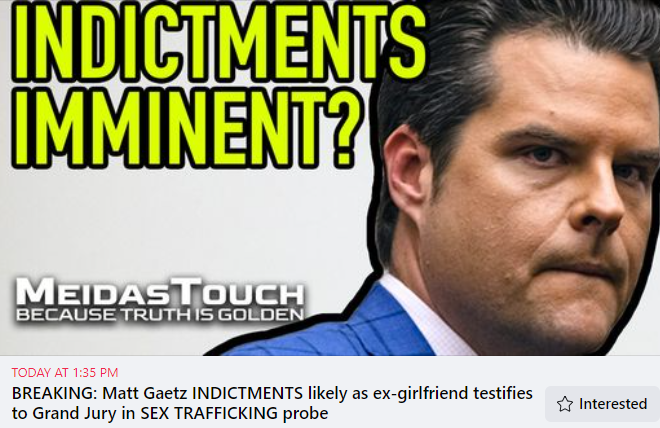 Let’s admit it: With each passing day during which no indictments were unsealed, our collective blood pressure goes up another couple of millimeters of mercury.
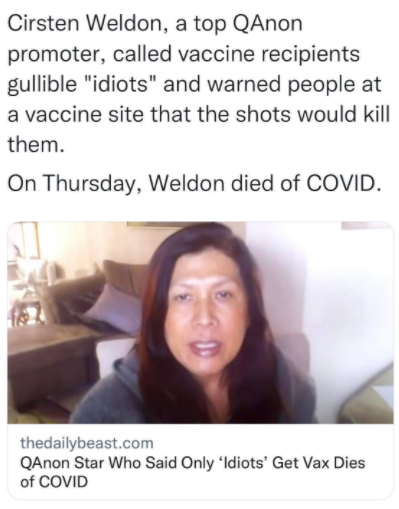 One of the most interesting vectors associated with the pandemic is seen in a case like the one described at left.
 The attack on reason that we’re seeing here in America is, unfortunately, multi-pronged.
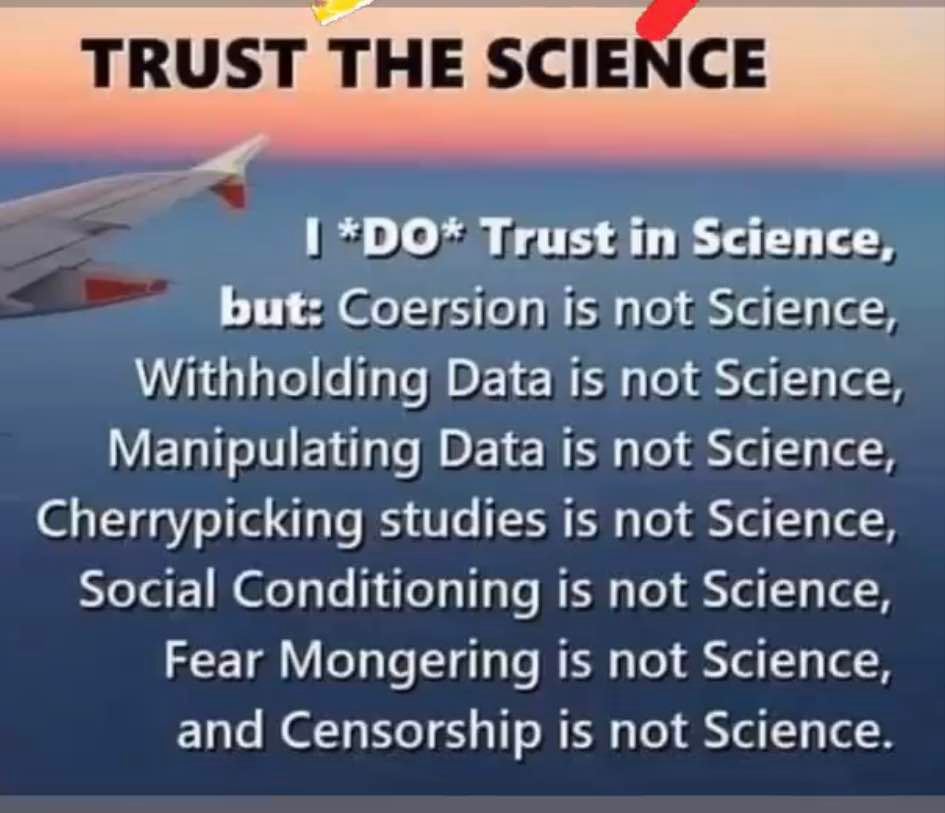 If you’re looking for something that
  I’m happy to report that I don’t know a single soul stupid enough to believe
  We would all like the justice system to move ahead as quickly as possible in pursuit of those who attempted the coup in January of 2021. As suggested at left, however, there are many different crimes involved here, of which inciting an insurrection is only one.
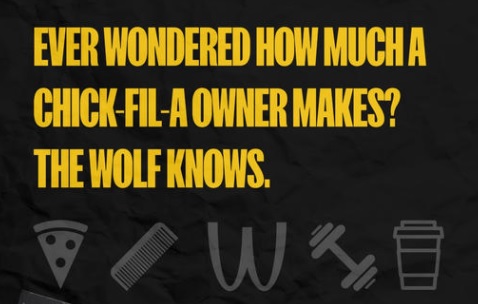 The answer to the question posed at left: It doesn’t matter. The organization is, at its core, homophobic, and self-respecting people would not be associated with it regardless of how lucrative the opportunity.
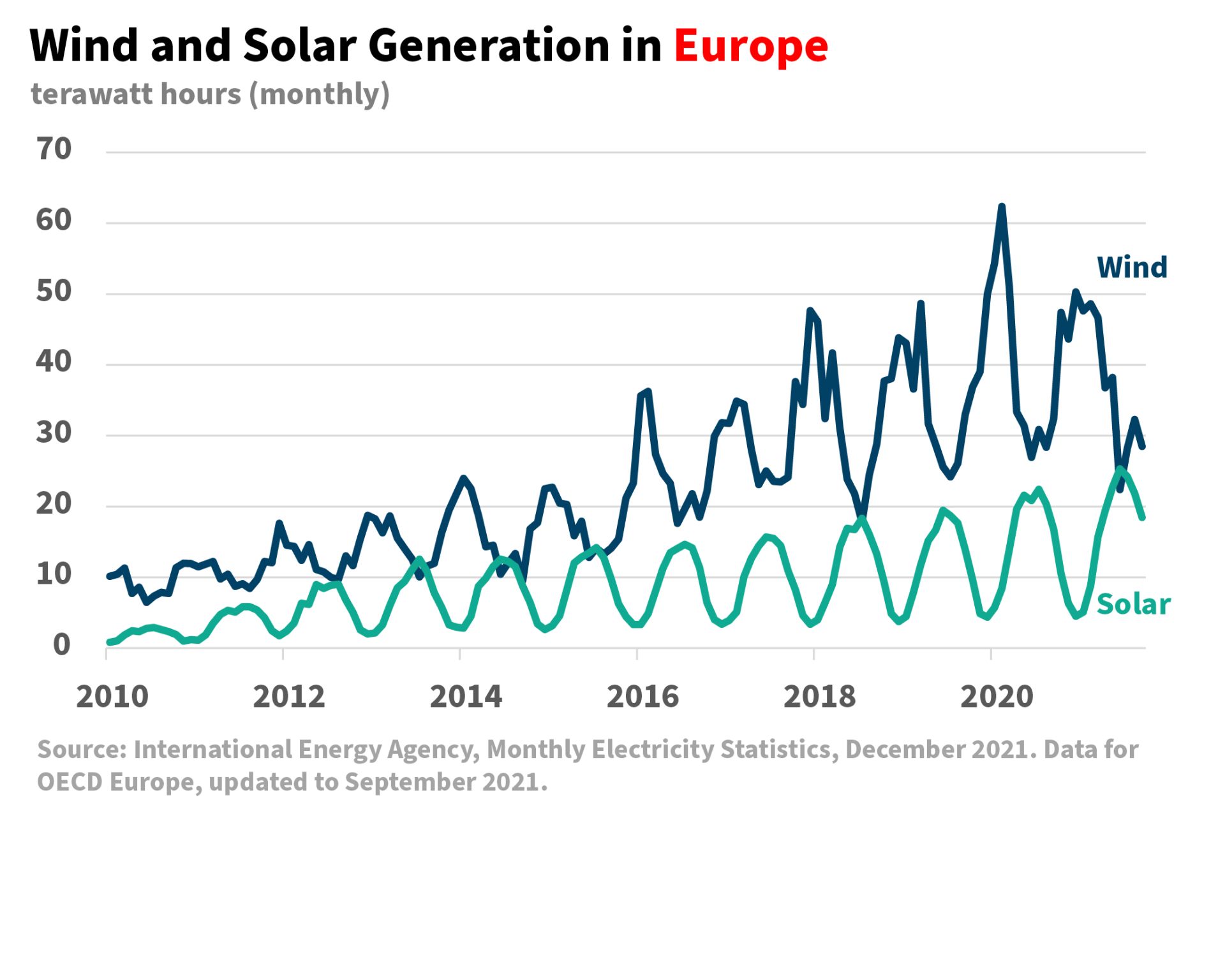 Wind goes up in the winter to compensate for the lack of solar, which crashes due to high latitudes. The grid can only accommodate so much power from intermittent sources, so they’re able to ramp up wind.


