Attempts at Humorous, Self-Deprecating Remarks on Renewable Energy Books

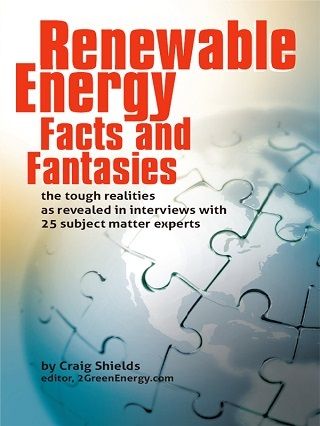 At last year’s 35th reunion of my college class, I accepted the job of the co-class secretary, meaning that I took on the responsibility of encouraging my classmates to submit entries for publication in the school newspaper. Insofar as I was asked to serve in this position, I feel obligated to send my own stuff along as well, and I thought readers may be interested in some of these submissions.
• As your co-class secretary, I have the lugubrious duty to report that copies of my third book on clean energy, “Renewable Energy – Following the Money,” aren’t exactly flying off bookstores’ shelves. Maybe it’s because I insist on using words that have essentially disappeared from our language, like “lugubrious.” In any case, I enjoyed the project immensely, and I certainly learned a lot. Also, who knows? Oprah could call any minute and turn this whole thing around for me.
• I published my third book (“Renewable Energy – Following the Money”) last September. The royalties are coming in so fast and hard that I should be able to help with the tuition for my grandchildren’s college education – just as long as they’re willing to wait until they’re 60 or 65 years old before they apply.
• My second book on clean energy (“Is Renewable Really Doable?”) was published earlier this year. That and a quarter will buy me a cup of coffee, as they say, but the whole process is richly rewarding. In fact, I encourage all of you to write a book or two if you haven’t already done so; it’s good for the soul. I also invite those interested in sustainability to check out 2GreenEnergy.com; I try to keep readers up to date on the technological, the economic, and the political aspects of one of mankind’s thorniest challenges.
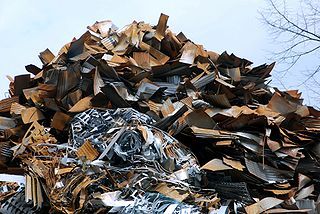 Waste is a reality of any business. While minimizing waste can definitely help in increasing profitability, you never have the option to eliminate it from the business. The fact is, you have to deal with waste and so many have to look for a solution which can help you get rid of instant waste quickly.

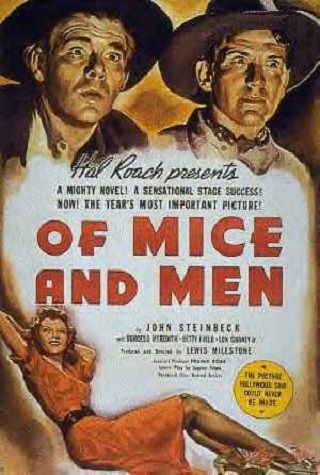 It’s the birthday of John Steinbeck, whose gut-wrenching mid-20th Century novels shot through the American consciousness like jagged bolts of lightning. Joining with folk singers of the day, e.g., Pete Seeger and Woody Guthrie, Steinbeck awakened millions of Americans to a basic human fact that had somehow been forgotten (perhaps via the heady days of the 1920s): we have a basic responsibility to care for one another, and we’re actually at our best when we display that compassion.