
The Consumers of Certain Products Are Definitely Not Progressive, and the Mustang May Be Among Them

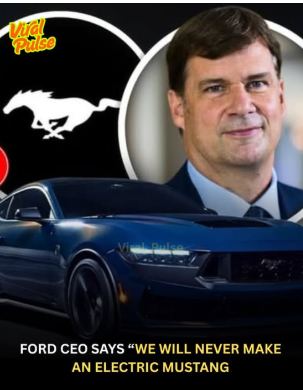 Without doubt, there are product brands whose customers do not want modernity, especially to the degree that “modernity” means “woke.”
As I told my mom when the scandal broke, I wouldn’t have associated Bud Light with anything even remotely woke, especially transsexuality. Wanna do that with cupcakes? Watercolor painting? Adopting kittens? Fine. Just don’t do it with low-quality beer, pick-up trucks, or cage fighting.
It may seem sad that about half of America has a set of beliefs that compel them to love Donald Trump and reject environmental science, but that’s the reality of the country in which we live.
 The message at left is true.
 I admit that there is a great deal I don’t understand about the United States at this point, but here’s something that completely eludes me:
 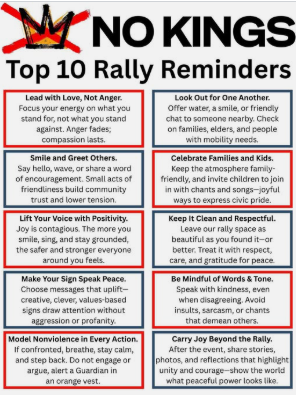 At left are some wonderful pieces of advice, though I would guess that at least 99% of the participants in the rally are already coming in with precisely these viewpoints.
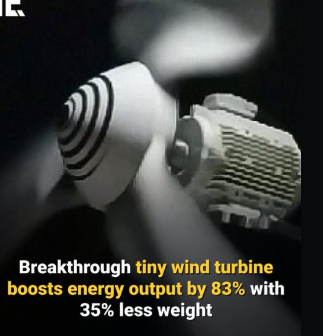 A proponent of the wind turbine shown at left writes:
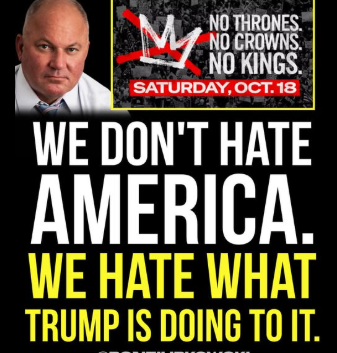 Here’s a conversation that illustrates the impasse in which this country finds itself. In response to the “We hate what Trump is doing to (America), we have:
 At the rate we’re going, there won’t be a single law-abiding institution left in the entire federal government by the time 2028 rolls around.
 I just saw a question on social media: do you want your tax dollars going to feed someone else’s kids??
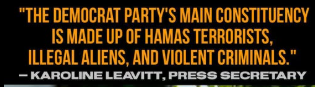 I’m not too sure about this. What about all the teachers, scientists, college students, healthcare professionals, retirees, corporate employees, government workers, librarians, park rangers, entertainment professionals, restaurant employees, and airline workers?
 I think it’s also fair to say that the Founding Fathers never thought the U.S. electorate would have disintegrated into hundreds of millions of greedy pigs and hateful idiots, that would fully support a criminal conman.


