Earlier this week, a three-person team from the Union of Concerned Scientists (UCS), including its president, its director of Center for Science and Democracy, and its director of their Clean Vehicles Program were, after waiting for over four months, finally granted a meeting with Andrew Wheeler, the acting administrator of the Environmental Protection Agency (EPA). (more…)
In a post earlier today I lamented what appears to be the transition the U.S. is making from democracy to oligarchy. This raises a couple of questions, like How did it happen? and How strong was the democracy in the first place?
Both are answered in this short video, one that would be funny if it weren’t so tragic.
What Bernie Sanders says here may or may not be correct. I see no evidence that the nation won’t survive its transition from democracy to oligarchy, at least on the basis of economics or politics. (more…)
Here’s a short video on a recent study at Oxford University that began as an exploration of sustainable meat and dairy, but wound up concluding that there is no such thing. (more…)
I was thrilled to see that an old friend of mine, an extremely astute political observer who’s just recovered from a traumatic accident, is back online. Though he dislikes Trump, he views the presidency with a yawn, which I find strange. He’s often expressed that he thinks that I’m extreme in my desperation to see Trump removed. Here’s a quick conversation that, as usual, has me scratching my head. (more…)
Though England is the de facto language of Wales, anyone who’s ever struggled through a conversation in that part of the world knows that the accent, along with an occasional Welsh word or phrase thrown in makes spoken communication intensely difficult. (more…)
Most Americans are unaware that the U.S. is the only country on Earth in which there exists a debate among its political elites as to the validity of the theory of anthropogenic global warming. Elsewhere, climate change is simply accepted as an objective fact that needs to be understood and taken into consideration.
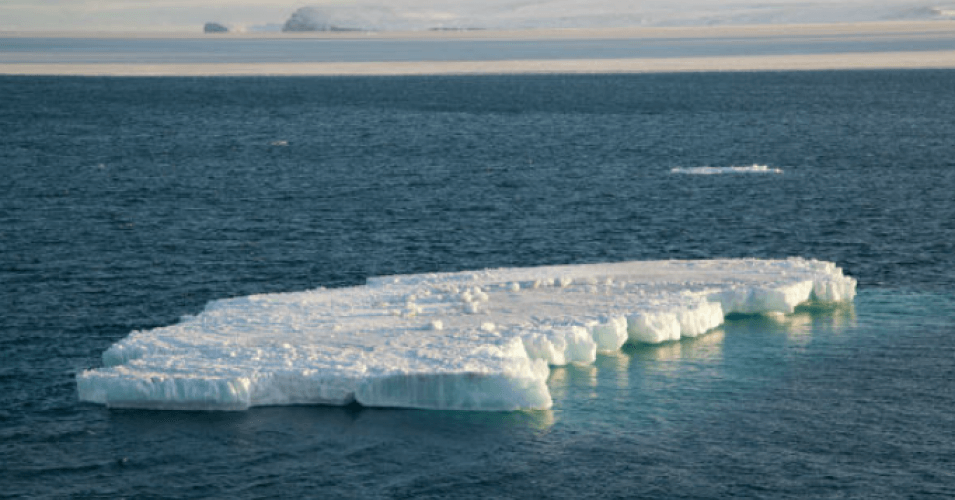
The Chinese, for example, recently published a white paper that forms the underpinning of an important part of its plans to meet its internal and external economic challenges, which includes strategic use of the Arctic. The paper begins: ‘Global warming in recent years has accelerated the melting of ice and snow in the Arctic region.’ The ‘development of shipping routes in the Arctic’ as the ice retreats is therefore a goal because those routes will ‘become important transport routes for international trade’.
Obviously, countries that accept science have a huge advantage over those that deny it, and this is one of the major reasons for pessimism when it comes to U.S. competitiveness in the global economy. What industry sectors will come to dominate the 21st Century, a time in which humankind is forced to deal with an existential threat? Well, here’s a solid guess: it will be the industry that is most germane to dealing with the threat, i.e., cleantech.
Absent geoengineering, the only tools we have to deal with climate change are those that reduce greenhouse gas emissions, and that means:
Low-carbon energy (renewables and nuclear)
Efficiency solutions
Smart grid
Energy storage
Electric transportation and synthetic fuels
Sustainable ag, including plant-based meats
We can talk about ending the war on coal and removing the environmental protections that have been put in place over the last half century. We can make the oil companies happy by lowering vehicle CAFE standards. We can isolate ourselves with trade wars, while we recklessly threaten to engage in nuclear wars. The problem: the rest of the world is making real progress in the only industry that really matters.
By pretending that the problem doesn’t exist, not only are we dimming the hopes that our civilization will make it through this crisis, we are also making ourselves increasing irrelevant in world commerce.
We can run with this, or we can run away from it; the choice is entirely ours.



 Here’s a good
 In a
 What Bernie Sanders says here may or may not be correct. I see no evidence that the nation won’t survive its transition from democracy to oligarchy, at least on the basis of economics or politics.
 Here’s a short video on a recent study at Oxford University that began as an exploration of
 I was thrilled to see that an old friend of mine, an extremely astute political observer who’s just recovered from a traumatic accident, is back online. Though he dislikes Trump, he views the presidency with a yawn, which I find strange. He’s often expressed that he thinks that I’m extreme in my desperation to see Trump removed. Here’s a quick conversation that, as usual, has me scratching my head.
 Though England is the de facto language of Wales, anyone who’s ever struggled through a conversation in that part of the world knows that the accent, along with an occasional Welsh word or phrase thrown in makes spoken communication intensely difficult.
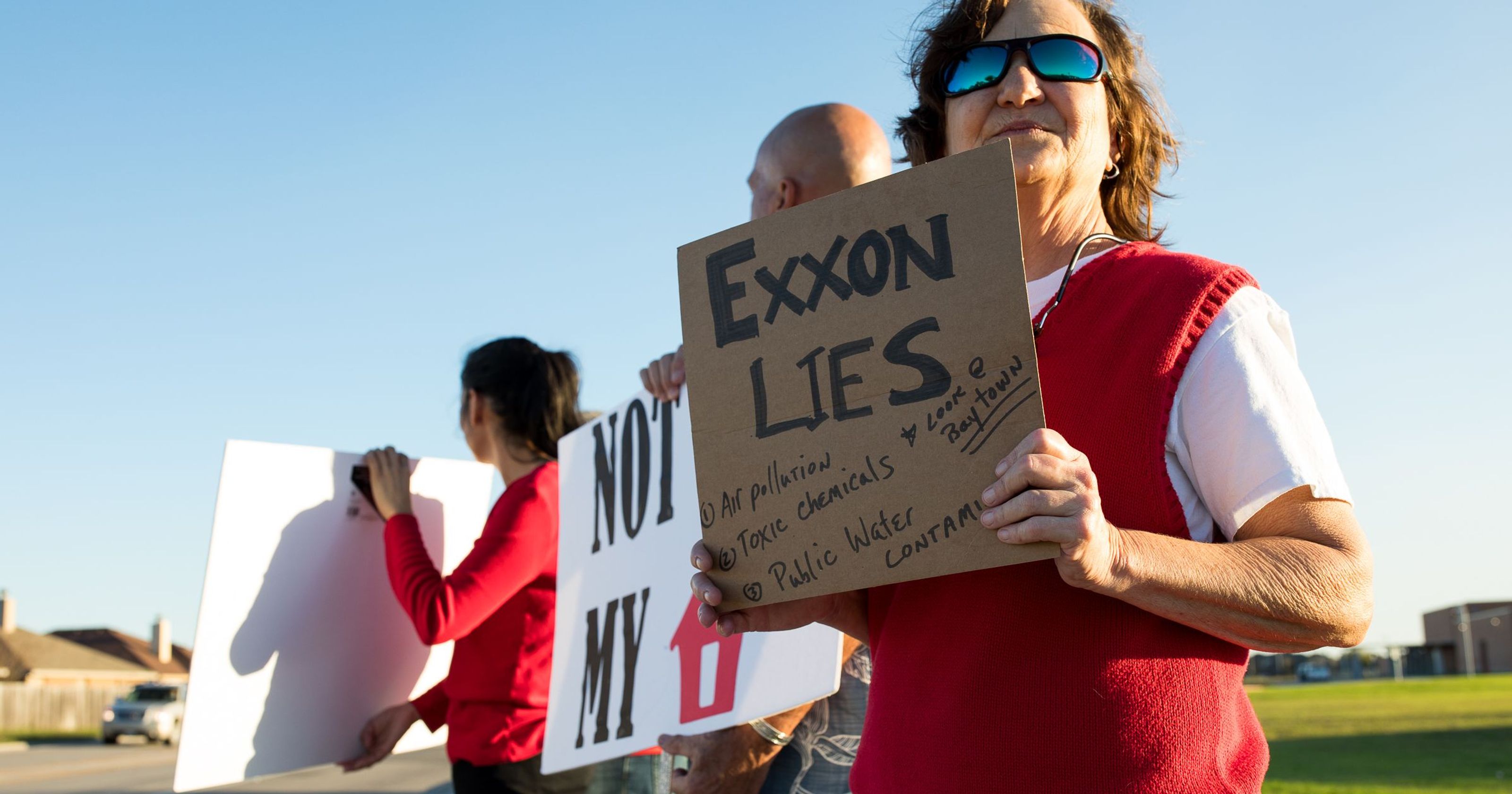 The State of New York has filed suit against ExxonMobil for misleading investors
 Most Americans are unaware that the U.S. is the only country on Earth in which there exists a debate among its political elites as to the validity of the theory of anthropogenic global warming. Elsewhere, climate change is simply accepted as an objective fact that needs to be understood and taken into consideration.


