
Mike Pence: Worse Than Trump?

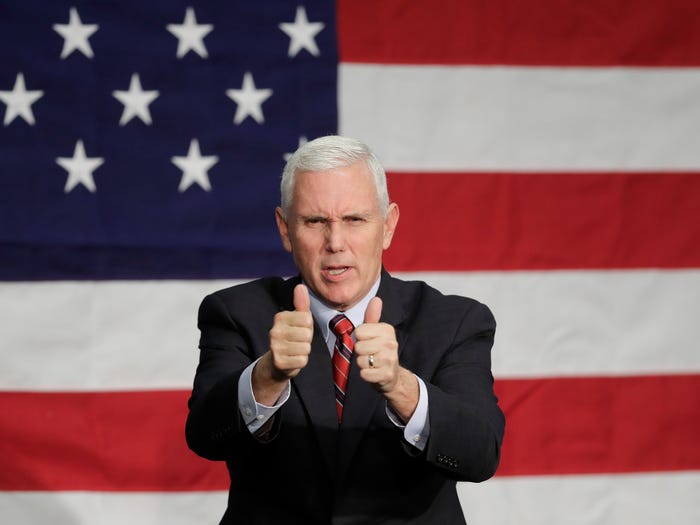 A reader comments: If approved by the Senate, the vote would remove Trump from office and install far-right religious zealot Mike Pence.
I’m aware of this sad fact. I’m not thrilled that our president would be someone who believes in Noah’s Ark but not in climate change. In fact, his entire belief system, whether we’re talking about women’s rights, the application of science to policy-making, blurring the separation of church and state, or dozens of other issues, is far better suited to the Middle Ages than the 21st Century.
The only thing he has going for him is that he is not a sociopathic criminal. He’d be a welcome change–and then he’d be gone.
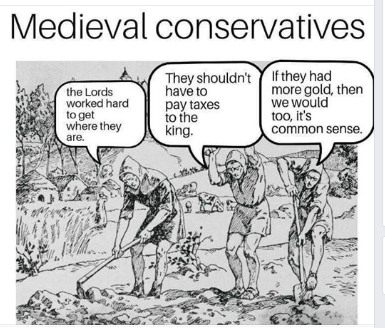 The idea behind “trickle-down economics,” aka “Reaganomics,” as lampooned in the meme here, has been roundly discredited by the people who study this subject.
  Looks like this is actually happening. From
 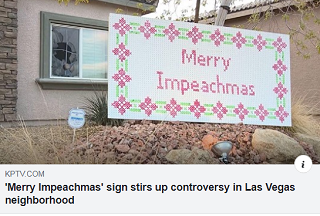 This “stirs controversy?” Ya think?
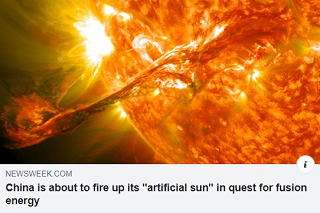 The future of nuclear energy will follow one of two paths. When we say “advanced nuclear,” we’re normally talking about fission, the decay of large atoms into smaller ones. Because the products have less mass than the reactants, an enormous amount of energy is released, due to the world’s most famous equation. At this point, we’re normally referring to the decay of thorium, which has numerous safety related benefits.
 Money. It’s tough to make, but often even more difficult to determine how to spend it. Market conditions, risk analysis, and estimated ROI are just a few of the factors you will have to review to determine what makes the most financial sense. Even more – you’ll have to
 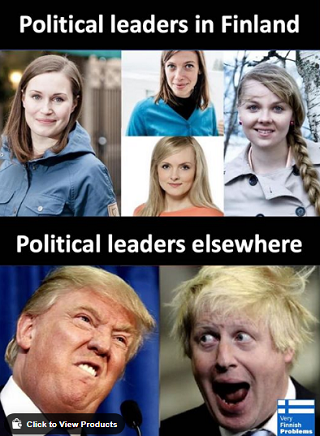 In general, the world of politics is headed in a highly toxic direction. Pretty much wherever we look we see ever-growing demagoguery, racism, divisiveness, corruption/bribery, nepotism, impeachment, coups, construction of walls, trade wars, cruelty to asylum seekers (hitting children hardest), senators overtly refusing to uphold their oaths of office, voter suppression/sham elections, suppression of the free press, denial of science, demonization of (and punishment of) the poor, destruction of organized labor, unchecked gun violence (U.S. only), complete indifference to the will of the people, favors to wealthy donors, foreign entities controlling elections, re-insertion of religion into government, and unrepentant ruination of the planet.
  At left we have a reminder that, in many cases, outrage works.
 In this article: “


