
A Government Of The People, By The People, And For The People Has Perished From The Earth. Will It Be Reborn?

 On this day in 1731, a group of young men in Philadelphia pooled their money to set up the first library in America.
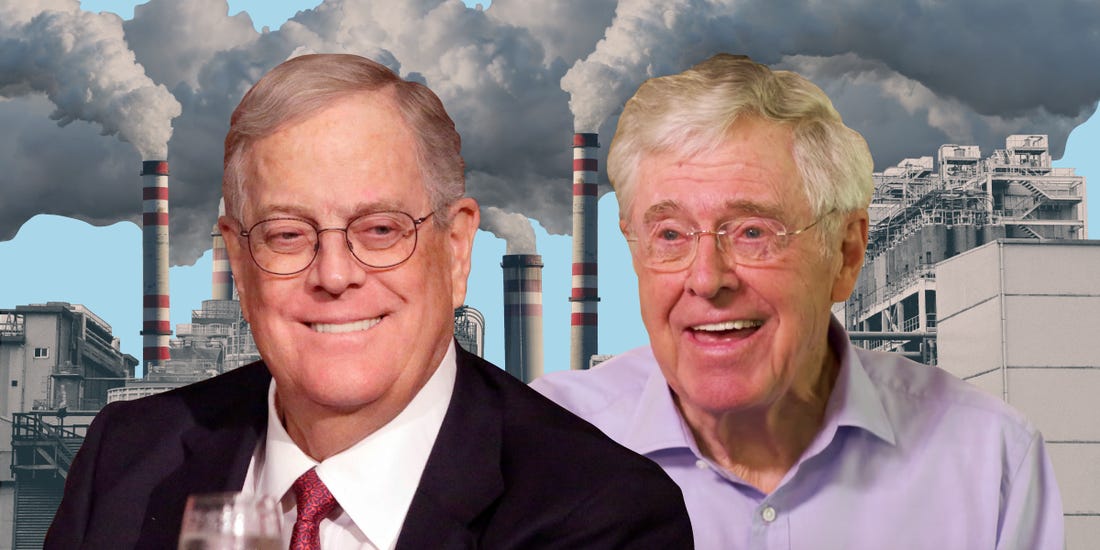
Not a bad time to pose the question: What is the proper role of government? What things belong in the public sector? According to the billionaire libertarians, the answer is little or nothing. When Charles Koch was asked, “What do you think is fair,” he replied, “I get to keep my money. What do you think is fair?” (more…)
 When 2GreenEnergy first came along a little over a decade ago, it appeared that
  What a coincidence. Shortly after I wrote this post:
 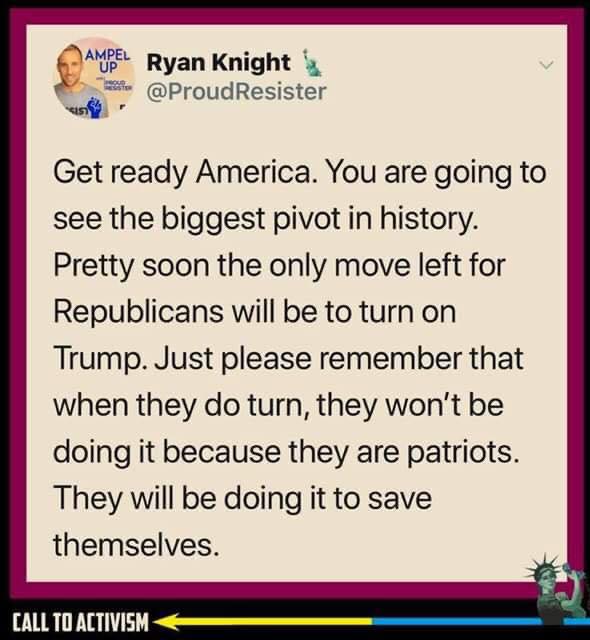 OMG, this meme carries the precise discussion my wife and I had over breakfast this morning:
 I’m happy to report that my alma mater Trinity College welcomed U.S. Sen. Chris Murphy (D-CT) and Igor Volsky, the founder and executive director of Guns Down America, to a
  From
From 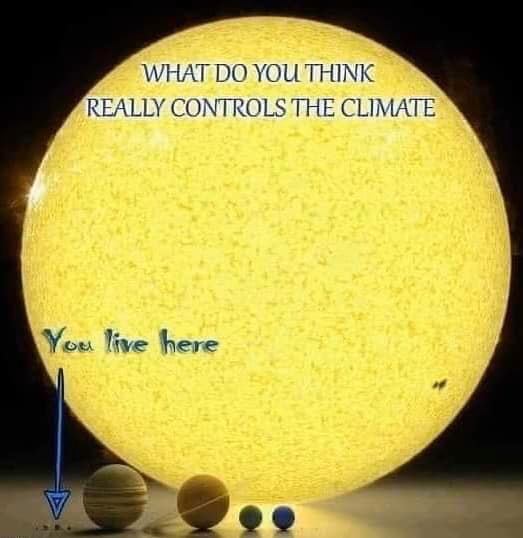 The meme here is from a reader who sees fit to challenge the findings of the climate science community, and suggests that it is obviously variations in solar irradiance that govern the Earth’s climate. (She was a fine arts major in college, FWIW).
 History will regard the shocking results of the 2019 (off-year) elections in which Republicans lost control of states that had been theirs for decades as a watershed event. As we sit in wonder as to what happened, let’s consider this:
 Here’s a story about Stanley Meyers’ water injector. “Stan advanced this technology all the way to water injectors which could convert any car to run on just water. Unfortunately the