
Talking Renewable Energy on a Conservative Radio Talk-Show

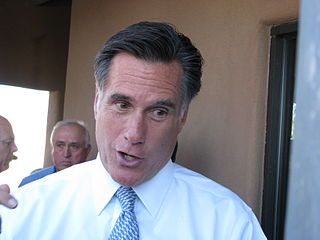 An old friend from high school has invited me to be a guest on his radio show which takes a conservative perspective on the topics of the day. I’ll be on for an hour to talk to him and entertain callers’ questions about my views on renewable energy, electric transportation, and sustainability more generally. When he called to schedule the interview, he promised that the talk wouldn’t be combative, i.e., he won’t call me a communist, a bleeding heart, etc.
I had to choke back my laughter when we announced these conditions: “You don’t know the hundreds of other similar situations in which I’ve found myself over the years. Most of the talk radio shows that have had me on have callers from hell (more…)
 I’ll soon be updating our list of
  I sympathize with those tasked with putting a precise dollar figure on the externalities of fossil fuels. Sure we know there are costs to society in terms of lung damage and long-term environmental damage, but what are they?
 In a piece I wrote yesterday on
  Of all the great minds whose essays I read on the world energy scene and its surrounding geopolitical implications (global hostility, climate change, world economics, etc.) Michael T. Klare just may be my favorite. Dr. Klare:
 I’m proud to serve as a member of the Advisory Board for the
  Here’s an article about
  A reader asked me to comment on the article linked below, but frankly, I simply don’t understand it.
 I’d never come across the
  In hard times every business is paying particular attention to their bottom line. Tasks and processes are streamlined at every corner and all outgoing bills must be reduced to ensure that a business can still turn a profit. A key aspect of monitoring the bottom line for any commercial business is efficient use of utilities.


