
From Guest Blogger Jessica: Notes on Ecotourism

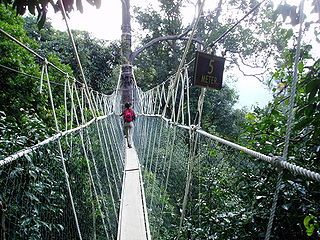 Madhya Pradesh, a state in central India, is balanced with a broad assortment of the tourist destinations and gifted with magnificent ecotourism, pilgrimage, wildlife tourism and leisure tourism. The wildlife tours of Madhya Pradesh are highly popular among all the age groups of tourists. These expeditions take the visitors to the interiors of the forests, where flora and fauna are blossoming in their natural form. (more…)
 Companies that want an environmentally friendly office building could follow the example of the Auckland office of Air New Zealand. The New Zealand national carrier, which is renowned for their
 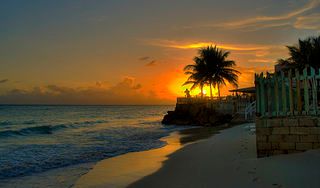 I’m working with a young writer who aspires to publish content on OTEC (ocean thermal energy conversion) on a number of different high-profile sites, so as to educate as many people as possible on the subject, and to drive traffic to the hot new website
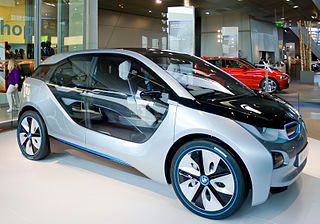
 One of our regular readers makes this comment:
 Writing for the terrific new website “
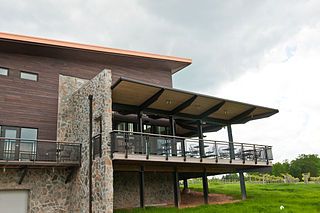 For a very long time, we’ve had a basic fact in the palm of our hands: the temperature of our Earth a few meters beneath the surface is essentially constant, and if we can figure out some basic engineering, this phenomenon will cheaply and reliably bring us cooling in the summer and heating in the winter.
  I had an encounter at dinner with my wife and friends the other night that I found funny. Someone asked me if I was aware that it was cheap energy that caused the improvement in the British economy in the Margaret Thatcher years. I was a bit muddled. Why the 1980s? Why Britain? For that matter, why energy? Cheap resources always drive economic growth.


